
Fontanes oak
Quercus fontanesii
Description
Growing requirements
The Fontanes oak (Quercus × fontanesii) is a natural hybrid resulting from the crossing of the cork oak (Quercus suber) and the Canary oak (Quercus canariensis). Belonging to the Fagaceae family, this species serves as a significant example of hybrid vigor in the genus Quercus, displaying intermediate physical characteristics.
The natural range of this tree is concentrated in the Mediterranean basin, specifically in North Africa and parts of Southern Europe. It thrives in regions characterized by mild winters and moderate rainfall, showing a preference for areas that mimic its native ecological niche.
Cultivation requires well-drained, fertile soil types, typically favoring loams with a slightly acidic to neutral pH level. The species demands sufficient space for root development and aerial expansion, making it unsuitable for confined or heavily compacted urban planting sites without significant soil preparation.
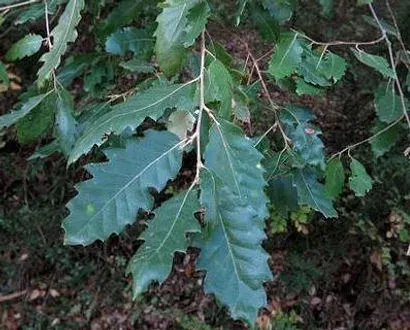
Botanically, the tree is noted for its distinctive leathery leaves and a spreading crown habit that provides significant shade. Depending on the environment, it can exhibit semi-evergreen properties, retaining its foliage longer than many deciduous oak species, which adds to its aesthetic value in landscape design.
In terms of хозяйственное (economic) utilization, it is primarily valued for ornamental purposes in botanical gardens and large estates. While not typically grown for commercial timber due to its relative rarity, it holds genetic value for researchers studying hybrid resistance in Mediterranean oak species.
Main diseases and pests
The most common threats to the health of the Fontanes oak include powdery mildew, which can infest leaves during humid seasons, and root rot if soil drainage is inadequate. Additionally, various leaf-feeding insects, such as oak leaf rollers, can cause seasonal defoliation, requiring integrated pest management.