
Fernald oak
Quercus fernaldii
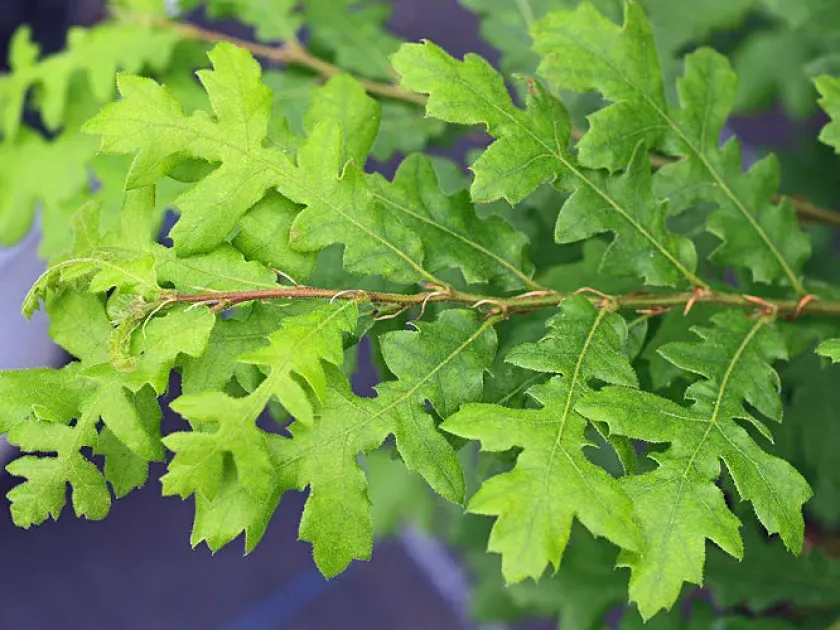
Description
Growing requirements
The Fernald oak (Quercus fernaldii) is a distinct species belonging to the Fagaceae family. It is recognized for its unique botanical traits and adaptation to specific regional environments.
This culture demands well-draining, nutrient-rich soil to thrive. Ideally, the pH levels should be slightly acidic to neutral, which ensures optimal nutrient uptake through the root system. Avoiding compacted soil is essential to maintain root health.
Environmental conditions require full sunlight exposure to support healthy growth cycles. While young trees might handle partial shade, the mature Quercus fernaldii requires consistent solar radiation to maximize biomass production.
Water requirements remain moderate, favoring steady soil moisture without waterlogging. Efficient drainage systems are recommended in areas with heavy clay soils to prevent root asphyxiation during the wet season.
Proper agricultural practices include spacing seedlings appropriately to allow for canopy expansion. Proper spacing ensures adequate air circulation, which significantly reduces the risk of humidity-related pathogens.
Main diseases and pests
Key diseases affecting this species include powdery mildew and leaf spot pathogens. These often flourish in high-humidity environments, requiring proactive fungicide applications to protect the foliage integrity.
Pests, such as various species of oak leaf miners and aphids, can cause significant damage to the plant's photosynthetic apparatus. Implementing integrated pest management (IPM) strategies is recommended for long-term health.
Stem borers and bark beetles present a severe threat to the overall structural integrity of the tree. Keeping the orchard or forest area clean of decaying wood prevents these pests from establishing populations.
Environmental stress, such as extreme drought or sudden frost, can weaken the tree's natural resistance, making it more vulnerable to secondary infections from fungi or bacteria.
Regular monitoring of canopy density and leaf color provides early indicators of distress. Maintaining soil vitality through organic fertilization can strengthen the tree against common biological threats.