
Engler's Oak
Quercus engleriana
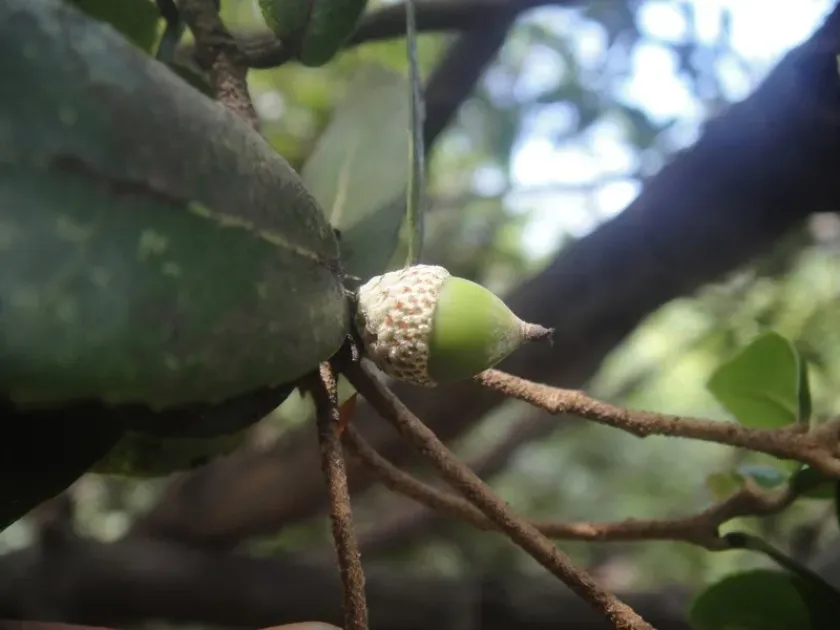
Description
Growing requirements
Engler's Oak (Quercus engleriana) belongs to the Fagaceae family and is an evergreen tree native to the mountainous regions of southwestern China. This species is highly valued for its unique foliage and architectural form, thriving in moist, temperate to subtropical climates.
The plant requires deep, well-drained, and slightly acidic soils to reach its full potential. Site selection should prioritize areas with protection from cold, desiccating winds, as the species performs best in sheltered locations that mimic its native mountain habitat.
Climate requirements involve consistent moisture levels during the growing season and relatively mild winters. While the tree can adapt to a range of environmental conditions once established, young saplings need careful monitoring regarding irrigation and sunlight exposure.
Botanically, it is characterized by narrow, leathery leaves with a silvery underside, which provides a distinctive ornamental appeal. The growth habit is generally slow to moderate, resulting in a dense, evergreen canopy that adds significant value to public parks and botanical collections.
In terms of хозяйственного использования, the species is primarily utilized for ornamental purposes and conservation efforts. Its wood quality is generally consistent with other evergreen oaks, though its primary agricultural role is focused on forest enrichment and landscape design.
Main diseases and pests
Major threats to Quercus engleriana include fungal leaf spots and mildew, particularly in regions with high humidity and poor air circulation. Implementing proper spacing and pruning practices is essential to reduce the risk of humidity-related pathogens in the canopy.
Insect pests, such as scale insects and aphids, often target the tender shoots, which can lead to stunted growth. The application of horticultural oils or systemic insecticides during the dormant season is a common and effective strategy for managing these pest populations.
Root health is critical, and over-watering or poor soil drainage can lead to phytophthora root rot. Ensuring the planting medium is loose and porous is the most effective preventative measure against these soil-borne threats that can be lethal to the plant.
Boring beetles can affect mature specimens, creating galleries within the bark and phloem. Regular inspections of the trunk and main branches for holes or sawdust are recommended to detect and treat infestations before they cause irreversible structural damage to the tree.
Environmental stress, such as drought or extreme nutrient deficiency, can predispose the oak to secondary infections. Maintaining a regular fertilization schedule and applying organic mulch around the root zone helps conserve moisture and boosts the tree's natural resistance.