
Engelmann oak
Quercus engelmannii
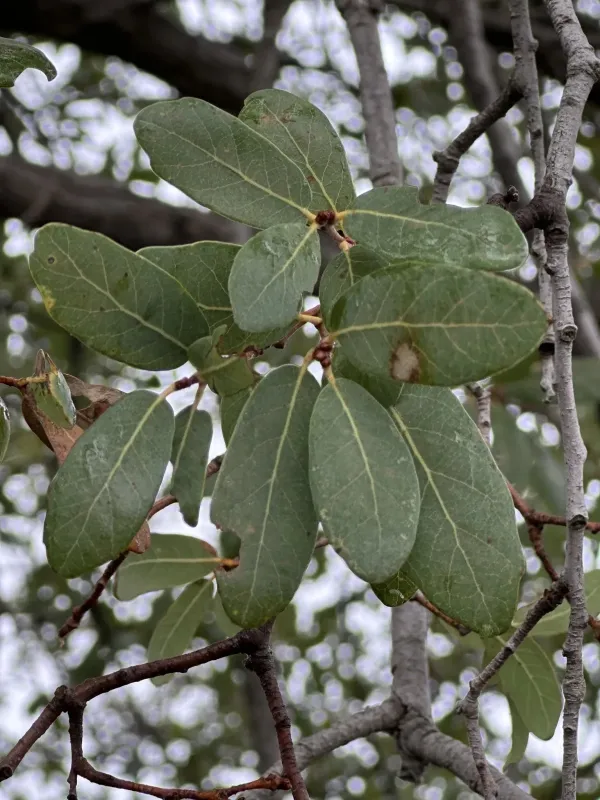
Description
Sowing dates
Propagation of the Engelmann oak is primarily achieved through acorns. Seeds should be sown immediately after collection, as they lose viability rapidly if allowed to dry out completely.
When planting, acorns should be placed at a depth of approximately 3 to 5 centimeters in a well-draining soil mix. Protecting the sowing site from squirrels and other rodents is essential for successful establishment.
Containerized seedlings are often preferred for forest restoration projects, as this method protects the primary taproot. Root development is critical for this species, and care must be taken to avoid spiraling in nursery pots.
Growth is relatively slow during the first few years as the plant invests heavily in its root system. During this establishment phase, supplemental irrigation is necessary to ensure the sapling survives its first dry season.
Spacing for plantations should consider the ultimate crown spread of mature trees, which can reach significant dimensions. A distance of at least 6 to 10 meters is recommended to prevent excessive competition for nutrients and sunlight.
Growing requirements
The Engelmann oak is a member of the Fagaceae family, distinct for its semi-evergreen foliage and adaptation to semi-arid Mediterranean climates. It is native to southern California and parts of Baja California.
This species thrives in various soil types, ranging from sandy loams to rocky substrates, provided they offer excellent drainage. The tree is exceptionally drought-tolerant once mature, displaying specialized physiological mechanisms to manage water loss.
Full sun exposure is vital for the health of the Engelmann oak. While it can tolerate light partial shade in its juvenile stages, mature trees require significant solar radiation to maintain dense canopy growth.
The climate requirement is strictly subtropical. The species is not adapted to cold winters and thrives in areas with mild, rainy winters and hot, dry summers that mimic its natural habitat range.
Soil pH should ideally be neutral to slightly alkaline. Monitoring the soil for heavy metal accumulation or extreme compaction is recommended, as these factors can significantly hinder long-term growth and vigor.
Main diseases and pests
The most significant threat to Engelmann oak populations is Phytophthora cinnamomi, a soil-borne pathogen that causes root rot. This disease is exacerbated by artificial summer irrigation which creates ideal conditions for the oomycete.
Insects like the gold-spotted oak borer represent a major risk, as they bore into the inner bark and phloem. This disrupts the tree's ability to transport nutrients, frequently leading to the death of mature specimens.
Various defoliating caterpillars can cause periodic leaf loss. While healthy trees can typically recover from single-season defoliation, repeated attacks over several years can leave the tree susceptible to secondary pathogens.
Powdery mildew may occur in nurseries or areas with poor air circulation, particularly during humid spring conditions. It manifests as a white, dusty coating on leaves, reducing the efficiency of photosynthesis.
Management practices focus on sanitation: removing infested debris, maintaining appropriate tree spacing to improve airflow, and avoiding practices that damage the root zone or lower trunk.