
Elmer Oak
Quercus elmeri
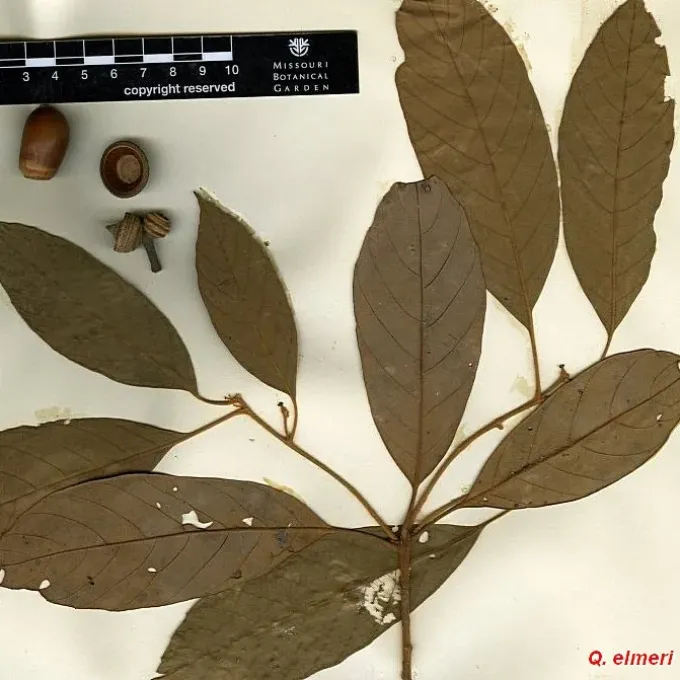
Description
Sowing dates
Cultivation of the Elmer Oak, a member of the Fagaceae family, begins with the careful selection and sowing of acorns. Due to the rapid loss of viability of oak seeds, it is recommended to sow them immediately after collection, typically during the autumn season.
In nursery environments, acorns are sown in prepared beds with loose, well-draining soil. Providing a depth of approximately 5-8 centimeters ensures proper moisture levels for germination while protecting the seed from external pests.
If spring sowing is necessary, acorns must be stored in a cool, moist environment to prevent them from drying out or germinating prematurely. This careful handling is essential for maintaining a high percentage of successful seedling emergence.
Seedlings benefit from partial shade during their initial growth phase, which mimics the natural understory conditions of their native habitat. Protecting them from direct midday sun prevents desiccation of the delicate foliage.
Regular maintenance including weeding and controlled irrigation is critical during the first two years. By focusing on root development through proper soil management, growers can ensure the longevity and strength of the future tree stand.
Growing requirements
Quercus elmeri thrives in warm, humid climates characteristic of tropical forest regions. It requires consistent ambient humidity and temperatures that avoid extreme seasonal fluctuations to support healthy physiological activity.
The ideal soil conditions for this species involve deep, nutrient-rich substrates with a slightly acidic to neutral pH. Excellent drainage is non-negotiable to prevent root rot, as the species is highly sensitive to waterlogged conditions.
Regarding light, while young plants are somewhat shade-tolerant, they exhibit better growth rates as they mature when provided with increased exposure to sunlight. This transition should be managed carefully to prevent shock to the tree.
Agronomic practices for this species focus on maintaining organic matter levels in the soil. Frequent mulching is highly recommended to suppress competitive weed growth and stabilize soil temperature during hotter months.
Balanced fertilization programs, particularly those emphasizing potassium and phosphorus, assist in strengthening the trunk and promoting healthy leaf development. Regular monitoring of growth rates against standardized charts is advised for precision management.
Main diseases and pests
The Elmer Oak is susceptible to various fungal pathogens, especially in environments where air circulation is poor and humidity remains excessively high. Powdery mildew and various bark necrotic diseases are the most common threats to plant vitality.
Insect pests, including leaf-rollers and wood-boring beetles, can significantly damage the canopy and the structural integrity of the tree. Implementing an integrated pest management strategy is vital to mitigate these risks effectively.
Sanitary pruning and the removal of deadwood are crucial preventative measures. Keeping the plantation area clear of debris helps reduce the reservoir of spores and pest populations that could otherwise threaten the health of the trees.
Monitoring for signs of stress, such as yellowing leaves or thinning canopy, allows for early intervention. Using biological control methods is preferred to maintain the ecological balance within the forestry unit.
Long-term protection of the species depends on maintaining high biodiversity within the planting site. A healthy ecosystem provides natural enemies to common pests, reducing the need for intensive synthetic interventions.