
Elliptic oak
Quercus elliptica
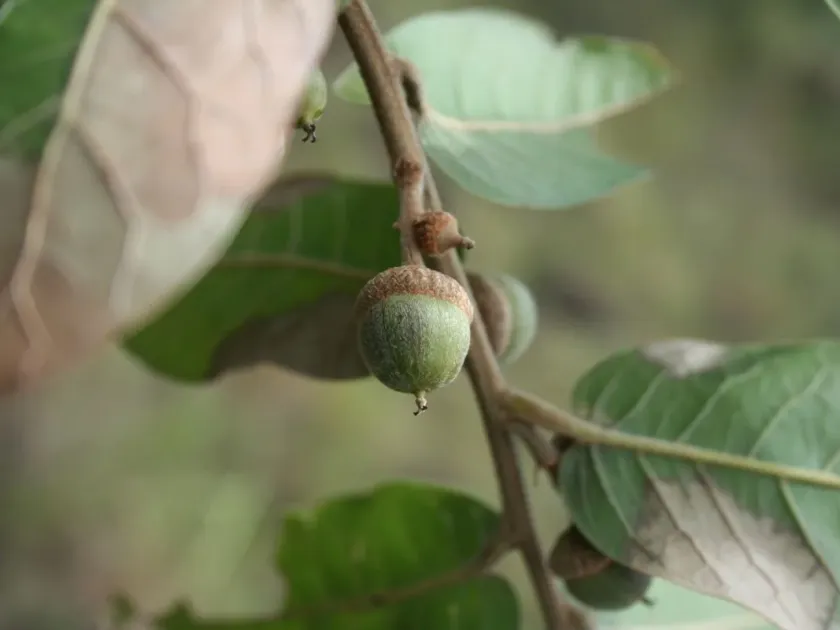
Description
Sowing dates
Propagation of the elliptic oak is primarily done through seeds, as the root system of this species is highly sensitive to transplanting shock. Acorns are usually sown immediately after harvest to ensure natural stratification in the soil.
For spring planting, seeds should be stored in moist sand at low temperatures to prevent the embryo from drying out and losing its viability.
The planting depth typically ranges from 3 to 5 centimeters, depending on the soil texture, ensuring the seeds are adequately covered to retain moisture.
Using nursery-grown seedlings is often more effective, as it allows for better root development and protection against initial environmental stressors.
Proper soil moisture management during the early stages of germination is critical for the survival of the seedlings, as the species is sensitive to water deficit.
Growing requirements
The elliptic oak belongs to the Fagaceae family and is native to the highland forests of Mexico and Central America, thriving in climates with seasonal rainfall patterns.
This species requires deep, well-drained soils rich in organic matter; stagnant water in the root zone is detrimental and often leads to root rot.
As a light-demanding tree, the elliptic oak requires open spaces with minimal competition from other species to develop a strong, straight trunk.
The temperature range must be moderate, as the species is susceptible to severe frost which can cause damage to the foliage and young terminal buds.
Site selection should focus on areas with good air circulation to mitigate the risk of fungal pathogens and to promote healthy growth.
Yield
The primary economic use of this oak is the production of dense, high-quality hardwood timber, which is valued for its durability and resistance to decay.
Yield metrics, such as biomass production, depend heavily on initial planting density and silvicultural practices implemented during the first two decades of growth.
Acorns from the elliptic oak serve as a vital food source for wildlife and livestock in regions where the tree naturally occurs or is cultivated.
Beyond timber, the tree possesses significant ornamental value, making it an excellent candidate for landscaping in appropriate climatic zones.
While the growth rate is considered moderate compared to faster-growing species, the quality of the wood produced provides long-term economic stability.
Main diseases and pests
The main threats to elliptic oak stands are fungal infections that thrive in high-humidity environments and areas with poor soil aeration.
Insect pests, particularly weevils, pose a major risk to acorn production, as they can destroy a significant portion of the seed crop before germination.
- Powdery mildew, which affects the leaves and can reduce photosynthetic efficiency.
- Anthracnose, leading to premature leaf drop and twig dieback.
- Wood-boring insects, which target weakened or stressed trees in the forest.
Young plants are also vulnerable to browsing by rodents and large herbivores, necessitating protective measures such as enclosures.
Effective management requires routine sanitary monitoring to identify and remove infected trees, thereby preventing the spread of disease within the stand.