
Northern pin oak
Quercus ellipsoidalis
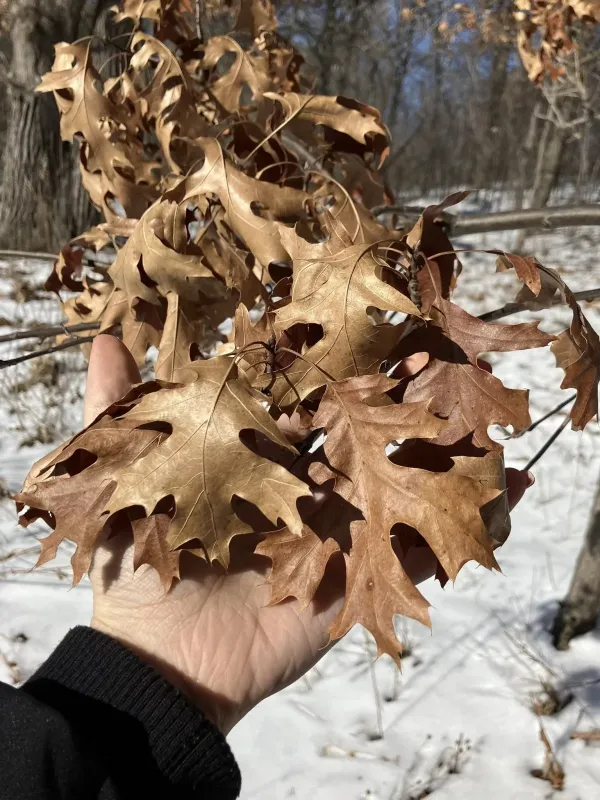
Description
Growing requirements
Northern pin oak Quercus ellipsoidalis is a deciduous tree belonging to the Beech family (Fagaceae). It is native to the upper Midwest of North America, typically found in dry sandy upland areas.
This species thrives in well-drained, acidic to neutral soil types. It is highly valued for its ability to tolerate nutrient-poor and sandy conditions that are challenging for other oak species.
Full sun is essential for the healthy growth of this tree. When planted in areas with sufficient light, it develops a robust canopy and strong root system typical of its natural habitat.
Climate tolerance is a key feature of the species, as it is adapted to cold temperate climates with significant seasonal shifts. It shows great resilience against frost and winter cold.
The tree is utilized in landscape gardening and for reforestation projects. Its wood is dense and provides timber for various industrial applications, serving as a reliable forestry resource.
Main diseases and pests
Oak wilt, caused by the fungus Ceratocystis fagacearum, represents the most significant threat to the health of Quercus ellipsoidalis populations in their native range.
Pests such as the oak leaf tier and various gall wasps can cause significant aesthetic and physiological damage. Monitoring these insects is crucial for maintaining the health of young trees.
Root rot becomes a risk factor in poorly drained sites or during periods of excessive rainfall. Proper soil management and ensuring adequate site drainage are critical for long-term health.
Preventative measures involve avoiding pruning during the active sap-flow season to prevent fungal spore transmission. Sanitation is vital in keeping the surrounding forest health stable.
Integrated pest management strategies are often used in nurseries to protect saplings. This includes chemical treatments and biological controls that effectively manage the population of local insect pests.