
Ehrenberg's Oak
Quercus ehrenbergii
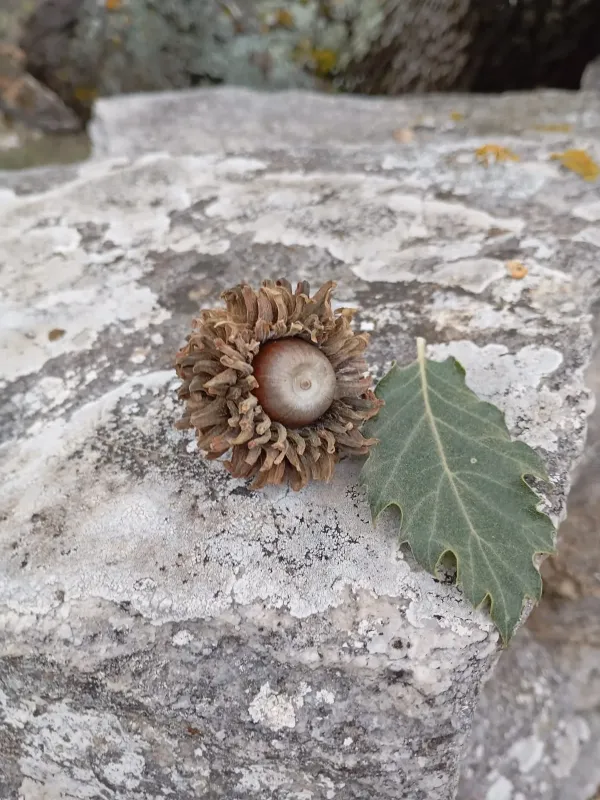
Description
Growing requirements
Ehrenberg's Oak (Quercus ehrenbergii) is a perennial woody plant belonging to the Fagaceae family. This species is native to the Middle East, specifically regions with arid and semi-arid Mediterranean climates.
The tree exhibits significant botanical adaptations to survive in dry environments. These include a deep taproot system and a canopy structure that is optimized for water retention and high resistance to thermal stress.
It thrives in rocky, well-drained soils and is highly adapted to terrains where water infiltration is rapid. It does not tolerate waterlogging, which makes the choice of planting site critical for its survival.
The plant requires full sun exposure throughout the growing season. In its natural range, it is often found on slopes that receive maximum solar radiation, confirming its heliophilic nature.
Cultivation practices should emphasize low-nutrient input and minimal disturbance to the soil structure. As a slow-growing species, it needs careful management during the establishment phase to ensure competition with weeds is eliminated.
Main diseases and pests
The primary fungal threats to Quercus ehrenbergii include powdery mildew, which can significantly damage the foliage if air humidity remains high for extended periods, especially in poorly ventilated sites.
Wood-boring insects, including various species of Buprestidae (metallic wood-boring beetles), represent a severe danger as they penetrate the bark and disrupt the vascular transport of nutrients.
Gall wasps (Cynipidae) frequently cause the formation of abnormal growths on leaves and stems. While these are usually not fatal, they cause aesthetic damage and can stunt the growth of younger, more vulnerable trees.
Root rot pathogens such as Phytophthora species are a major risk in irrigated or poorly drained agricultural settings. Monitoring soil moisture is the most effective preventative measure against these infections.
Integrated pest management, including the removal of dead or decaying wood, is essential for maintaining the health of oak stands and preventing the spread of secondary pests that exploit weakened trees.