
Durand oak
Quercus durandii
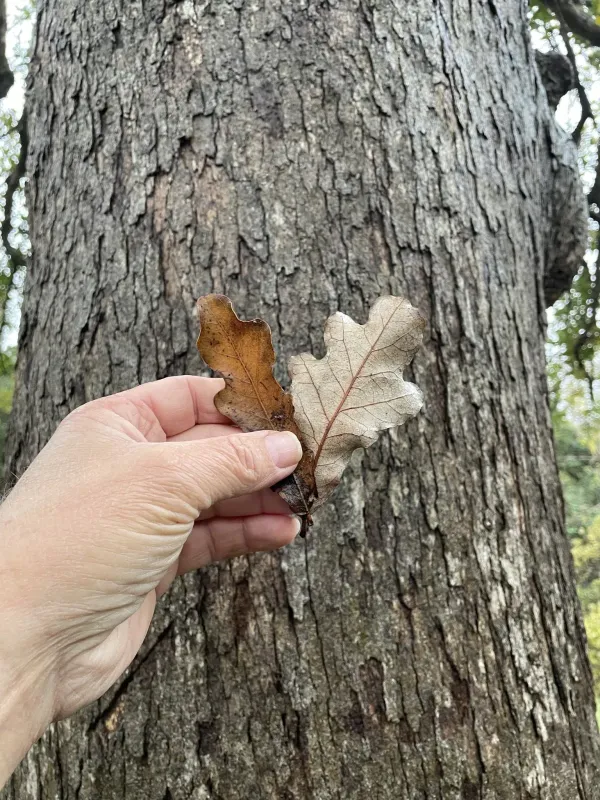
Description
Sowing dates
Durand oak propagation is typically achieved through seed sowing. Acorns should be collected as soon as they drop in the autumn and sown immediately to ensure high germination rates.
If spring sowing is required, acorns must be stratified in moist sand at temperatures between +1 and +5 degrees Celsius for approximately three months to break seed dormancy.
Seeds are planted in well-prepared rows, typically at a depth of 5 to 7 centimeters. Maintaining proper row spacing is crucial for early-stage maintenance and weed management.
For forestry and landscaping, using one to two-year-old nursery-grown seedlings is often more successful than direct seeding, as it provides a higher survival rate in challenging environments.
The optimal planting time is either early spring, before leaf flush, or late autumn, allowing the roots to establish before the onset of the next growing season.
Growing requirements
Quercus durandii belongs to the Fagaceae family and is notable for its adaptation to limestone-based soils, making it an excellent choice for alkaline growing conditions.
This species requires well-drained soil types. It is sensitive to waterlogged conditions, which can lead to root decay, therefore selecting a site with proper drainage is essential.
As a light-demanding tree, the Durand oak requires full sun exposure to develop a balanced and healthy crown. Insufficient sunlight results in spindly growth and poor canopy structure.
The species exhibits moderate drought tolerance once established, making it suitable for regions with warm and dry summers. It thrives in temperate climate zones.
Mulching the base of the tree with organic matter helps maintain soil structure and temperature, promoting more robust growth during the first years after planting.
Yield
The primary use of Durand oak is in reforestation, restoration ecology, and ornamental landscaping rather than immediate agricultural production.
The wood of this species is highly valued for its density and durability, similar to other white oaks, although the slow growth rate limits commercial harvesting cycles.
Productivity in forest plantations is measured by biomass accumulation over several decades. Mature tree size is typically reached after 50 to 80 years of growth.
Acorn production serves both ecological purposes, by providing food for local wildlife, and silvicultural purposes, by supplying seed stock for future generations.
In urban settings, the Durand oak is highly regarded for its aesthetic appeal, particularly the unique leaf shape and its ability to withstand city-related stresses.
Main diseases and pests
Powdery mildew is a common fungal threat to Durand oak, particularly in humid and shaded conditions where air circulation is restricted around the leaves.
The tree can be affected by various pests, including leaf-rolling caterpillars and acorn weevils, which can reduce the vigor of the tree and the viability of the seed crop.
Young seedlings are particularly vulnerable to soil-borne pests such as white grubs, which feed on roots and can cause significant mortality in forest nurseries.
Bacterial bark necrosis is a serious concern that requires vigilance, involving the removal of infected branches and proper sterilization of pruning tools to prevent spread.
- Integrated pest management practices, including thinning and monitoring, are recommended to maintain forest health.
- Regular sanitization and pruning of dead wood significantly reduce the risk of disease outbreaks.