
Scrub oak
Quercus dumosa
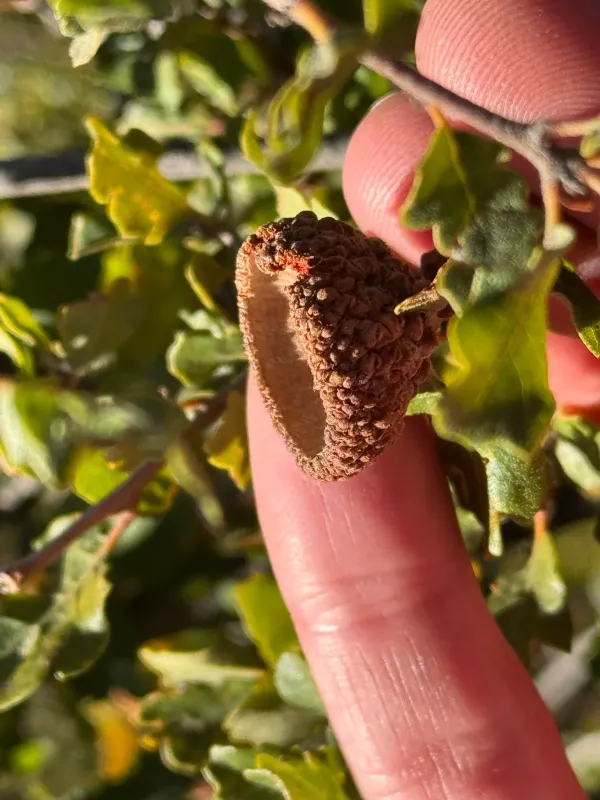
Description
Growing requirements
Scrub oak (Quercus dumosa) is a sclerophyllous, evergreen shrub species belonging to the Fagaceae family. Naturally occurring in the coastal sage scrub habitats of Southern California, it is well-adapted to the challenging environmental conditions of its native range.
The plant thrives in Mediterranean-type climates, characterized by warm, dry summers and mild, wet winters. It demonstrates significant tolerance to drought stress, making it an excellent candidate for xeriscaping and low-maintenance landscape applications in appropriate climate zones.
For successful cultivation, the species requires well-draining soil types, such as sandy or rocky substrates. It is essential to avoid poorly drained areas where water logging can induce root diseases, a common physiological stressor for this specific oak species.
Agrotechnical management primarily involves site selection and initial establishment support. Once the plant has developed a robust root system, it requires minimal fertilization and supplemental irrigation, relying on natural precipitation patterns to sustain its growth.
Beyond its aesthetic value in gardening, Quercus dumosa plays a crucial role in ecological restoration. Its dense growth habit serves as a vital habitat for various bird and insect species, contributing to the biological stability of the local ecosystem.
Main diseases and pests
Phytophthora ramorum, the pathogen responsible for Sudden Oak Death, represents the most severe threat to the species. This fungus attacks the inner bark, which can lead to the rapid decline and death of the entire shrub if left unmanaged.
Various borers and gall wasps pose a persistent threat by attacking stems and foliage. Integrated pest management, focusing on maintaining tree vigor and promoting natural enemies, is the preferred strategy for managing these insect populations in plantation settings.