
Daimyo oak
Quercus dentata
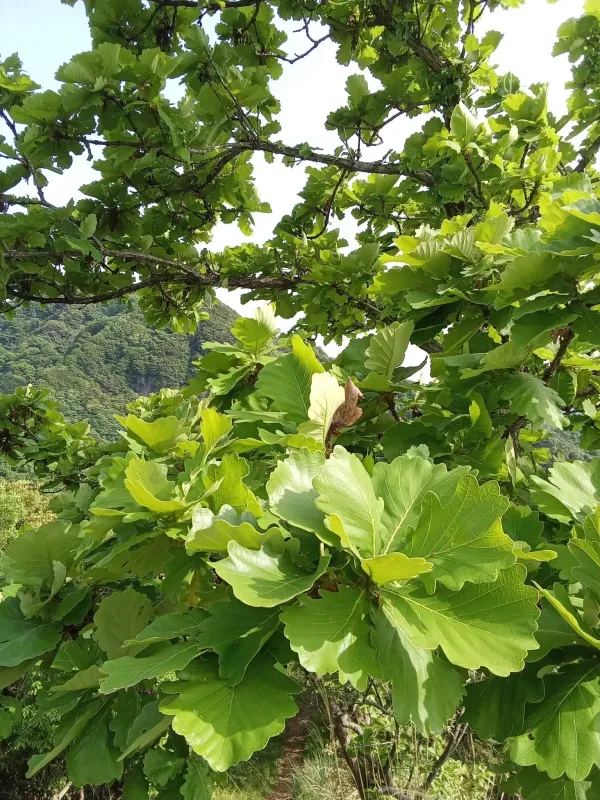
Description
Sowing dates
Sowing of Daimyo oak (Quercus dentata) acorns should ideally occur in the autumn immediately after harvesting, as the seeds are recalcitrant and lose viability quickly if stored in dry conditions.
If spring sowing is required, acorns must be stratified in moist medium at low temperatures to break dormancy and ensure high germination rates after winter.
The seeds are planted at a depth of 5–8 cm, ensuring that the soil maintains consistent moisture levels during the critical period of emergence and root establishment.
In forest nurseries, containerized seedling production is highly recommended to protect the delicate taproot and facilitate successful field transplanting.
Early-stage management involves protecting the young sprouts from rodents and ensuring that the seedlings have sufficient space to avoid competition for light and soil nutrients.
Growing requirements
The Daimyo oak is a prominent member of the Fagaceae family, recognized for its large, distinctive dentate leaves and high tolerance to cold climates and harsh weather conditions.
It prefers deep, fertile, and well-drained loamy soils but displays remarkable resilience in various soil types, provided that long-term waterlogging is avoided.
As a light-demanding species, this tree performs best in full sunlight, which promotes a healthy crown structure and vigorous vertical growth.
The cultural requirements involve periodic thinning to manage stand density, which ensures that each tree receives adequate airflow and resources for optimal development.
This species is valued for its hardiness and serves as an excellent candidate for restoration projects in areas prone to seasonal temperature extremes and strong winds.
Main diseases and pests
Common health issues for Quercus dentata include powdery mildew, which thrives in humid environments and can negatively affect leaf health and overall vigor.
Defoliating insects such as leaf rollers and caterpillars represent a chronic threat that, if left unmanaged, can significantly reduce the annual biomass production.
Boring insects can damage the vascular tissues of the trunk, potentially introducing secondary fungal infections that compromise the structural integrity of the tree.
- Implement integrated pest management (IPM) strategies to control insect populations.
- Conduct regular pruning to improve stand aeration and remove infected wood.
- Monitor the site for early symptoms of nutrient deficiencies or pathological changes.
Providing optimal growing conditions through proper site selection and soil management remains the most effective strategy for preventing widespread outbreaks of disease.