
Coutinho oak
Quercus coutinhoi
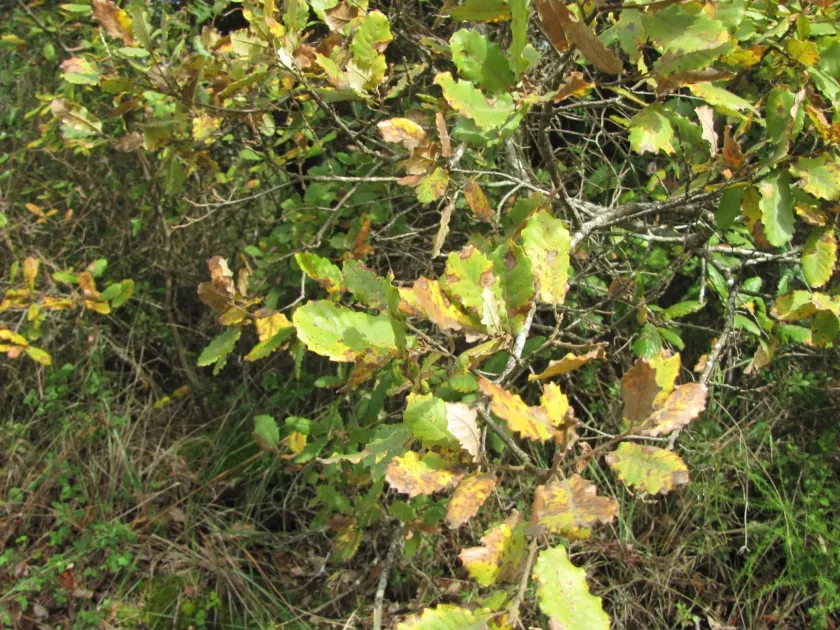
Description
Growing requirements
The Coutinho oak (Quercus coutinhoi) is a unique deciduous tree species belonging to the Fagaceae family. Native to the Iberian Peninsula, specifically Portugal, this species is highly valued for its ecological significance and its adaptation to local pedoclimatic conditions.
Cultivation of this species requires a Mediterranean climate characterized by mild, wet winters and warm, dry summers. The species is well-adapted to varied topography, often found in inland regions where the influence of the Atlantic ocean provides necessary humidity.
Regarding soil requirements, the Coutinho oak prefers deep, well-drained soils with a balanced nutrient content. It performs exceptionally well in substrates derived from metamorphic rocks or sandy loam, provided that water stagnation is avoided at the root level.
Agrotechnical management involves careful selection of planting sites and spacing. Due to its slow growth rate, the young trees require protection from competition with aggressive shrub species, which can hinder the establishment of the oak in the early developmental stages.
Economic uses of the species extend beyond wood production. It serves as an essential component of agroforestry systems, contributing to soil conservation and providing mast for livestock and wildlife, which is a traditional practice in its natural range.
Main diseases and pests
The primary health concern for Quercus coutinhoi is the prevalence of root pathogens, most notably Phytophthora species. These fungi are capable of inducing severe root necrosis, which often results in premature canopy decline and overall tree mortality.
Pest pressure is frequently driven by leaf-feeding larvae, including various Lepidoptera species that can cause extensive defoliation. Significant loss of leaf mass restricts the tree's ability to produce sugars, thereby weakening its natural defense mechanisms against drought.
Wood-boring insects, such as jewel beetles and cerambycid larvae, typically target stressed individuals. To mitigate these risks, it is recommended to maintain optimal forest density and promptly remove dead or dying wood from the plantation areas to prevent colonization.
Environmental stressors like prolonged heat waves have been linked to increased sensitivity to secondary infections. Maintaining soil moisture through mulching and proper site selection helps improve the physiological vigor of the trees, making them less susceptible to damage.
Integrated pest management strategies are crucial for sustainable cultivation. These include monitoring pest life cycles, promoting natural biological control agents, and ensuring that any interventions remain ecologically sound and minimally invasive to the surrounding habitat.