
Chapman oak
Quercus chapmanii
Description
Growing requirements
The Chapman oak (Quercus chapmanii) is a deciduous shrub or small tree belonging to the Fagaceae family. It is typically recognized for its compact habit and its ability to thrive in harsh, dry environments where larger trees often fail to establish.
The species is native to the southeastern United States, primarily inhabiting sandy soils, dunes, and dry scrub forests. Its natural distribution is largely concentrated in Florida, where it is a vital component of the local xerophytic plant communities.
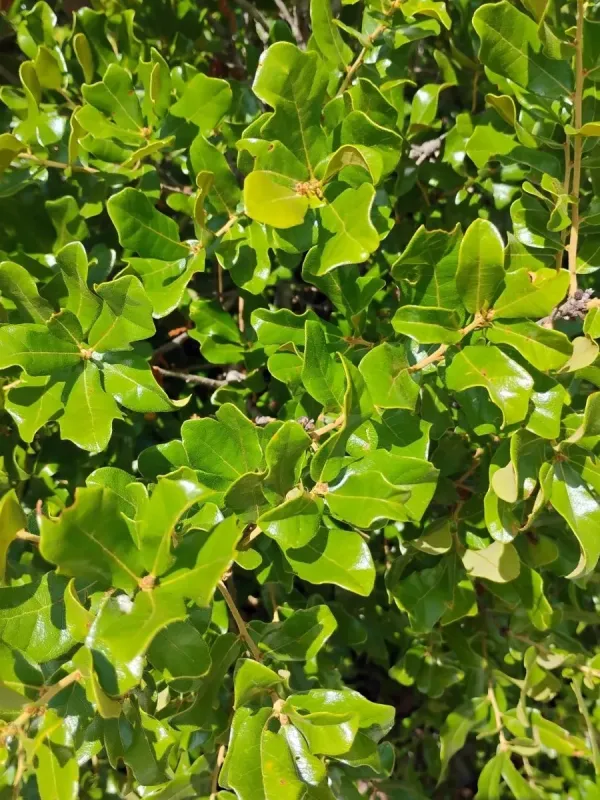
Botanically, this oak is distinguished by its leathery, lobed leaves and small acorns that provide significant nutritional value for local wildlife. It is highly adapted to nutrient-poor, well-drained acidic soils, showing a preference for full sunlight exposure.
Climate requirements include mild winters, as the plant is not frost-hardy in colder northern latitudes. It exhibits excellent resilience against drought conditions, making it an ideal candidate for low-maintenance xeriscaping projects in suitable climates.
Cultivation practices focus on selecting a site with excellent drainage to prevent root rot. Propagation is usually achieved through acorns, which require consistent monitoring for moisture levels immediately after planting to ensure successful germination and seedling establishment.
Main diseases and pests
The primary threat to the health of the Chapman oak is excessive moisture, which leads to root system compromise. Root rot fungi, such as Phytophthora species, can be devastating if the soil drainage is inadequate.
Insect pests, including various leaf miners and gall wasps, often infest the foliage. While usually not fatal to mature trees, significant infestations can reduce the aesthetic value and weaken the overall vigor of the plant during the growing season.
Powdery mildew can occur in nursery settings or areas with poor air circulation and high humidity. Proper spacing between individual plants is essential to mitigate the risk of fungal spread and maintain foliage health.
Wildlife damage, particularly from deer browsing on young shoots, can impede growth. Using protective cages during the first few years of the plant's life is a recommended practice to ensure the specimen reaches maturity undisturbed.
Invasive pathogens and soil-borne diseases pose a latent threat, highlighting the importance of using certified, disease-free nursery stock. Routine monitoring and the removal of infected branches are standard protective measures for maintaining plantation health.