
Canby Oak
Quercus canbyi
Description
Growing requirements
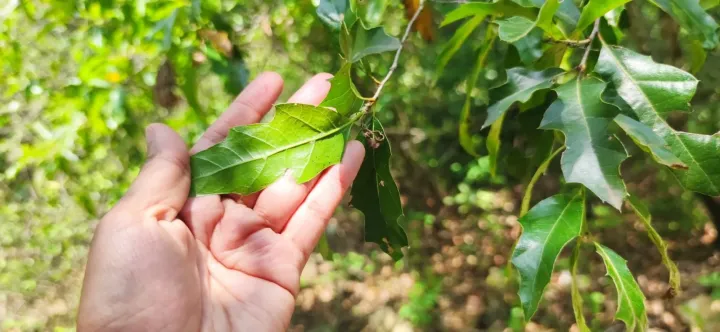
Canby Oak (Quercus canbyi) is a member of the Fagaceae family. It is a distinctive evergreen or semi-evergreen tree characterized by its dense canopy and relatively rapid growth rate compared to other oak species.
The species is native to northeastern Mexico and parts of Texas, USA. It has gained popularity in horticultural practice due to its high adaptability to heat, rocky soils, and drought conditions found in its natural habitat.
For successful cultivation, Canby Oak requires well-drained, slightly acidic to neutral soil. Poor drainage can lead to root rot, which is the primary cause of decline in managed landscape settings.
This tree thrives in full sun exposure. It is highly heat-tolerant, making it an excellent choice for urban landscapes where heat island effects are present and other species might struggle to survive.
Agronomic management involves deep watering during the establishment phase. Once mature, the tree is considered low-maintenance, requiring only periodic pruning to maintain its structure and clear dead branches.
Main diseases and pests
Common issues include fungal pathogens such as powdery mildew, which can affect foliage when air circulation is poor or humidity levels remain consistently high.
Insect pests such as leaf miners and scale insects may occasionally infest the tree. Integrated pest management strategies are recommended to keep populations below the economic injury level.
Root zone health is paramount, as compacted soil can stress the tree and increase its susceptibility to oak wilt or other vascular pathogens if present in the vicinity.
Regular sanitation of the area surrounding the trunk prevents the accumulation of leaf litter that may harbor fungal spores over the winter season.
If chemical intervention is required, it should be limited to targeted applications during early stages of infestation to minimize impact on beneficial local insect populations.