
Bush oak
Quercus bushii
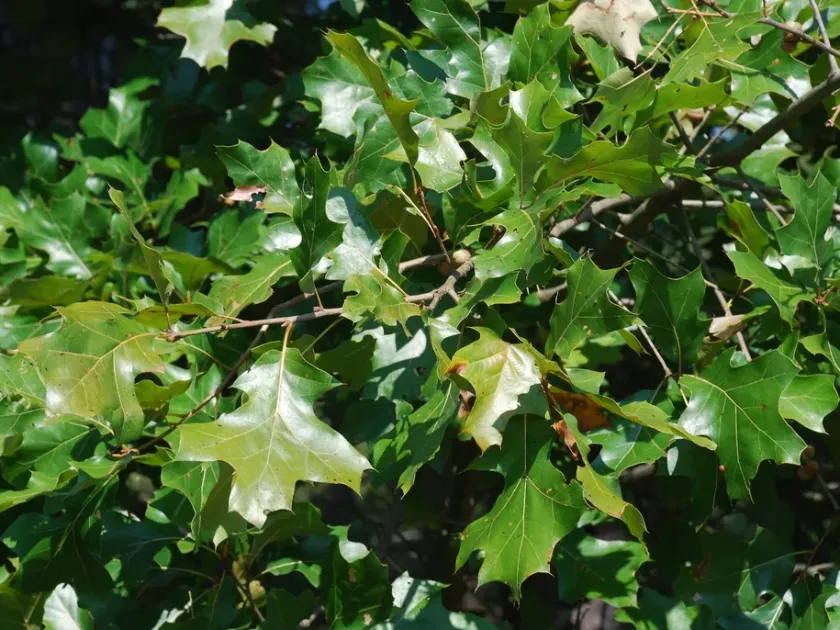
Description
Growing requirements
Bush oak (Quercus bushii) is a member of the Fagaceae family, known for its hybrid origin and adaptability to specific ecological niches. It is typically found in North American regions with sandy or gravelly soils.
In terms of light requirements, this species is a heliophile, meaning it needs full sun exposure to thrive. When planting, it is crucial to avoid areas with dense canopy cover that would limit the development of its branches and crown.
The soil structure should be well-drained and relatively acidic to neutral. Bush oak does not tolerate heavy, compacted, or waterlogged soils, which can lead to root suffocation and increased susceptibility to soil-borne pathogens.
The tree exhibits a high level of drought tolerance once established, making it suitable for reforestation projects in drier temperate zones. However, young trees require consistent monitoring and occasional watering during their first two years.
Climatic conditions for Quercus bushii should be moderate. It withstands significant seasonal temperature variations, although late spring frosts can damage the tender, emerging growth, potentially setting back the tree's development for the season.
Main diseases and pests
Powdery mildew is a significant threat, especially in humid and stagnant air conditions. Proper spacing between trees is essential to ensure adequate airflow and reduce the humidity levels that promote fungal spores germination.
Defoliating insects such as oak leaf miners and various caterpillar species pose a periodic threat. Early detection through regular visual inspections of the foliage can help in managing these populations before they cause severe damage.
Root rot pathogens represent a severe hazard, often exacerbated by environmental stress or physical damage to the root system. Avoiding soil compaction around the tree base is a primary preventative measure to maintain root health.
Stem-boring beetles can affect the longevity of the tree by creating tunnels in the bark and wood. Trees that are already weakened by drought or mechanical damage are the most susceptible to these types of infestations.
Galls caused by various species of Cynipidae wasps can affect the aesthetic and structural growth of the tree. While usually not fatal, heavy infestation can reduce the overall health and vitality of the specimen over several years.
Harvesting
The primary use of Bush oak is in reforestation efforts and as a landscape tree in managed forest ecosystems. The timber produced is of good quality, suitable for structural purposes and general carpentry, once the tree has reached its maturity.