
Buckley oak
Quercus buckleyi
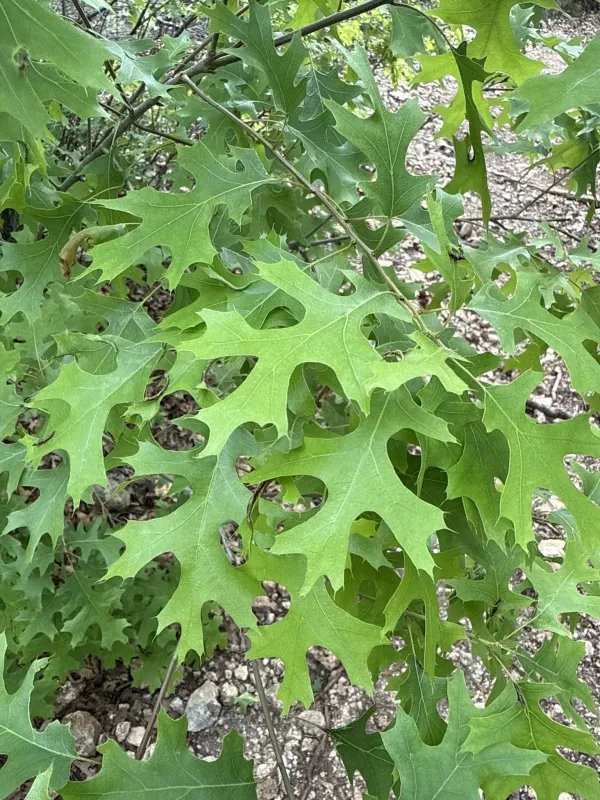
Description
Growing requirements
Buckley oak, botanically known as Quercus buckleyi, is a deciduous tree belonging to the Fagaceae family. Native primarily to Texas and surrounding regions, this species is well-regarded for its adaptability to dry, limestone-rich soils where many other oak species struggle to survive.
The species is renowned for its high drought tolerance and heat resistance. It performs best in full sun, which is essential for developing its characteristic dense, rounded canopy and promoting healthy annual growth rates in arid environments.
Soil requirements are relatively modest, provided there is adequate drainage. Quercus buckleyi thrives in alkaline soils and is tolerant of shallow or rocky substrates, making it an excellent candidate for urban landscapes where soil conditions are often less than ideal.
Climatic requirements generally favor zones with hot summers and moderate winters. While the tree is robust, establishing young saplings requires consistent monitoring of moisture levels until the root system has fully expanded into the surrounding soil profile.
Cultural practices should emphasize site selection to prevent waterlogged conditions. Proper spacing is also vital, as the tree requires significant room for root development and crown spread as it matures over several decades.
Main diseases and pests
The most significant threat to the health of the Buckley oak is bacterial leaf scorch, caused by the pathogen Xylella fastidiosa. This disease severely impacts tree vigor and can be fatal if the plant's overall health is already compromised by environmental stress.
Pests such as the oak leaf-rolling weevil can cause localized damage to the foliage. Although usually not fatal to mature trees, heavy infestations can cause significant aesthetic decline and may require integrated pest management strategies.
Fungal diseases, including powdery mildew, frequently occur during humid, overcast seasons. Ensuring proper airflow through the canopy by using correct pruning techniques helps mitigate the risk of these fungal outbreaks.
Root rot pathogens remain a concern in poorly drained landscapes. Avoiding mechanical injury to the root flare during landscape maintenance is essential to prevent these opportunistic fungi from entering the vascular system of the tree.
Regular sanitation, which includes removing dead or diseased branches, is a critical component of forest and landscape management. This practice reduces the presence of infectious agents and ensures that the tree maintains its structural integrity and health over time.