
Britton Oak
Quercus brittonii
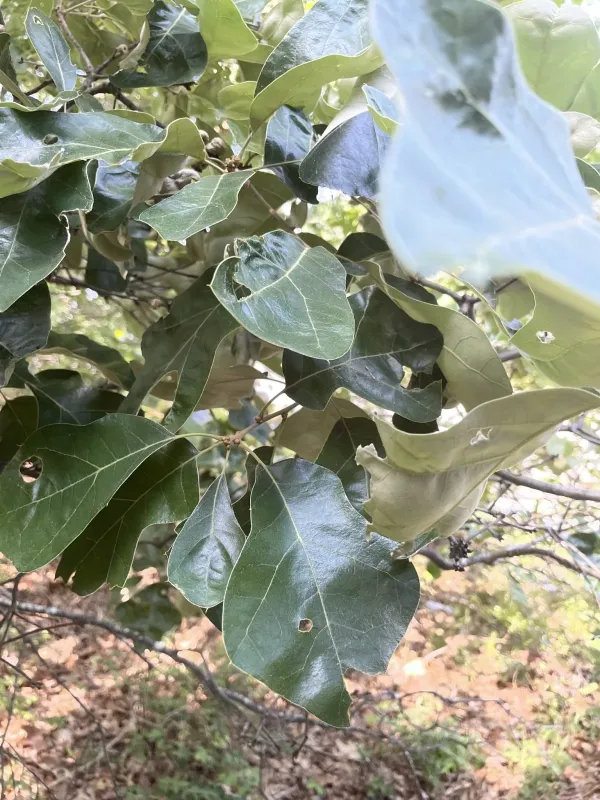
Description
Sowing dates
Sowing acorns of Britton Oak is best executed during the autumn season, allowing the seeds to undergo natural winter stratification in the soil.
For nursery production, seeds can be sown in early spring if they have been subjected to a cold stratification process lasting at least 60 to 90 days.
Acorns should be planted at a depth of 5 to 8 centimeters to ensure optimal moisture and temperature conditions for germination during the spring.
When sowing in containers, choose well-aerated potting mixes to facilitate rapid root growth and prevent the seed from rotting during early stages.
Strategic density during planting is essential, usually aiming for a spacing that allows for proper growth and subsequent thinning operations.
Growing requirements
The Britton Oak belongs to the Fagaceae family and prefers temperate climates with moderate rainfall distributed throughout the growing season.
The species thrives in fertile, well-draining soils with a slightly acidic to neutral pH, avoiding sites prone to long-term waterlogging.
As a light-demanding tree, it requires open spaces or carefully managed canopies to ensure maximum photosynthesis and healthy structural development.
Adequate air circulation is necessary to mitigate the risk of fungal outbreaks, which are common in densely packed, humid environments.
While the tree shows good adaptability, protecting young saplings from extreme winds and harsh winter frosts is recommended in the first few years.
Yield
The tree is primarily valued for its durable and high-quality wood, which is sought after for furniture making and structural applications in architecture.
Acorn production begins after the tree reaches maturity, typically requiring several years, which provides a sustainable resource for local wildlife.
Agroforestry systems can benefit from planting these oaks, as they provide shade for livestock and help in improving the overall soil structure.
Yield metrics for timber are determined by the tree's diameter growth rate, which can be optimized through periodic thinning and proper spacing.
The long-term yield potential makes Britton Oak an excellent investment for reforestation projects and sustainable forest management initiatives.
Main diseases and pests
Rodents are a significant threat to newly planted acorns, often consuming them before germination can occur, necessitating protective measures.
Powdery mildew represents the most frequent foliage disease, especially prevalent during warm, humid weather conditions in the summer months.
Insect pests, such as leaf rollers and various weevil species, can damage the leaves and reduce the vigor of the tree if left uncontrolled.
Regular monitoring of the site is critical to identify early signs of infestation and to apply targeted silvicultural controls when necessary.
- Use of wire mesh protectors against small mammals.
- Application of fungicides during high-humidity seasons.
- Management of weeds to reduce harborages for pests.
Harvesting
Harvesting acorns takes place once they reach maturity and begin to fall naturally from the tree, usually signaling the end of the growth cycle.
Quick collection is essential to avoid deterioration and loss due to fungal infections or consumption by forest wildlife on the ground.
The harvested seeds should be cleaned, sorted for quality, and stored in a cool, humid environment until the scheduled planting time arrives.
Timber harvesting should occur during the dormant winter season to ensure the wood has a lower moisture content and higher resistance to rot.
Effective post-harvest handling includes proper ventilation during transport to prevent overheating, which could damage the viability of the seeds.