
Bebb oak
Quercus bebbiana
Description
Growing requirements
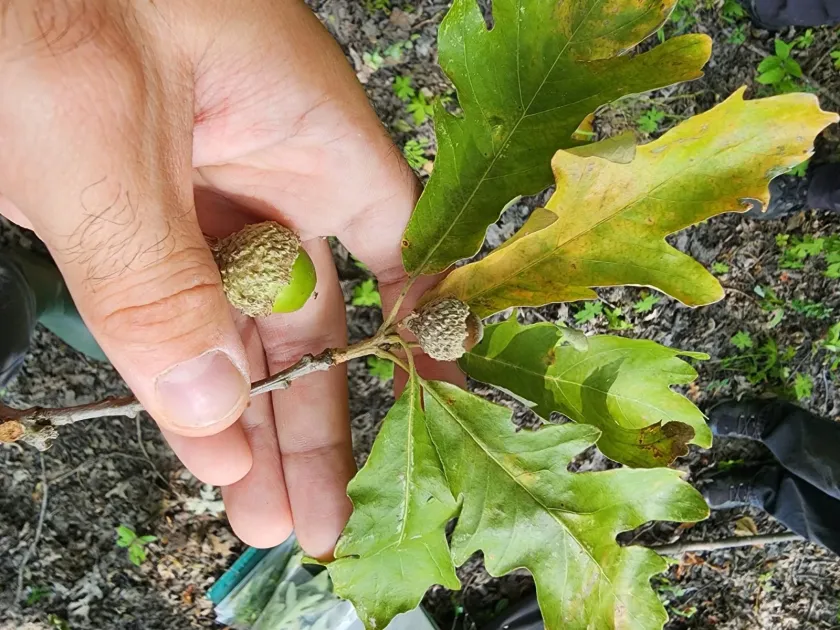
Bebb oak (Quercus × bebbiana) is a recognized natural hybrid between white oak (Quercus alba) and bur oak (Quercus macrocarpa). Belonging to the Fagaceae family, this species displays a unique combination of characteristics derived from its parent trees, making it a subject of interest for both botanists and nursery professionals.
Native to parts of North America where the ranges of its parents overlap, this oak thrives in temperate climates. It is typically found in diverse forest environments, showing a preference for well-drained loamy soils that provide consistent nutrients and moisture throughout the growing season.
Botanically, the Bebb oak is distinguished by its intermediate leaf morphology and acorn structures. The tree is characterized by a vigorous growth habit and a strong, extensive root system, which contributes to its overall resilience in varying environmental conditions, including moderate drought stress.
Cultural requirements involve full sun exposure to ensure the proper development of its canopy structure. While it is adaptable to different soil types, preventing waterlogging is crucial for long-term health, as the roots require adequate oxygenation to support the substantial biomass of the tree.
In terms of practical use, Bebb oak is highly valued in landscape architecture and biodiversity conservation projects. Its ability to combine the desirable traits of two robust North American oak species makes it an excellent choice for parks, arboretums, and large-scale urban forestry applications.
Main diseases and pests
The tree can be susceptible to common oak pathogens such as powdery mildew and oak wilt, depending on the local environmental conditions. Regular scouting and maintaining tree vigor are the best defenses against these fungal diseases throughout the tree's lifespan.
Typical pests include various defoliators like caterpillars of the gypsy moth or forest tent caterpillars, which can impact foliage density. In urban settings, wood-boring insects may also target stressed individuals, requiring proactive monitoring and occasional maintenance pruning.