
Holly-leaf oak
Quercus aquifolioides
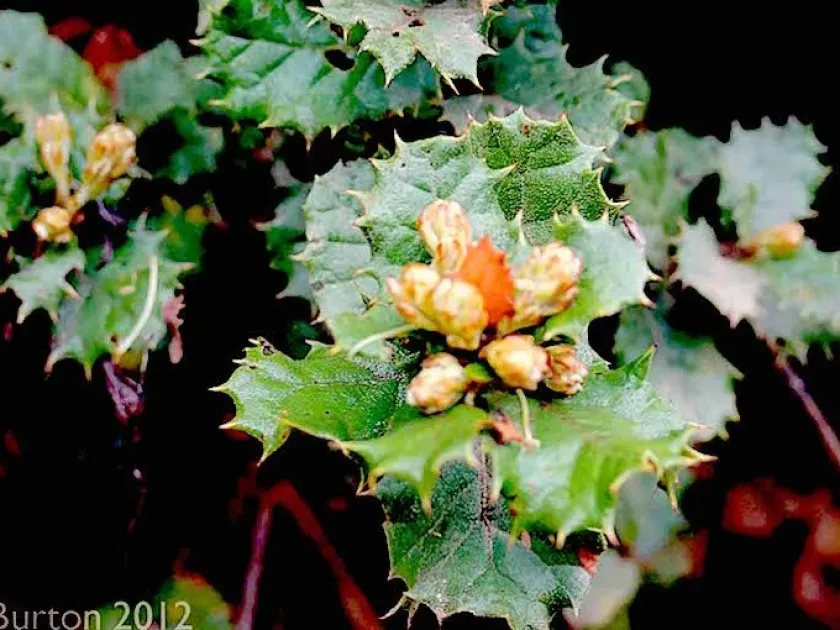
Description
Sowing dates
Sowing of Quercus aquifolioides is best performed in the autumn, immediately after the seeds (acorns) are collected. Direct sowing minimizes the risk of desiccation and loss of viability associated with improper long-term storage.
If spring planting is required, cold stratification is essential. The acorns should be kept in a moist, cool environment at temperatures between 1°C and 5°C for approximately 60 to 90 days to break dormancy.
Planting depth should be adjusted to 5–7 cm. Proper soil contact is necessary to ensure the radicle can penetrate the soil quickly, establishing a stable anchor and nutrient uptake system.
Row spacing in nurseries is typically set to 80 cm to allow for mechanized weed control and regular inspection of the young seedlings. Maintaining a clean cultivation environment is critical for initial survival.
Initial shading is often recommended for young seedlings to protect them from excessive heat and direct sunlight in the first year, which promotes healthier root development before the plant reaches full height.
Growing requirements
As a member of the Fagaceae family, the Holly-leaf oak is naturally adapted to high-altitude and rocky terrains. It thrives in well-drained soils that offer good aeration and moderate fertility levels.
The species is highly photophilous and requires full sun exposure to reach its maximum growth potential. While it can tolerate partial shade in the seedling stage, older trees require significant canopy light.
Water requirements are moderate; the tree exhibits a high degree of drought tolerance once the root system is fully established. However, during the seedling and sapling phases, supplemental irrigation is beneficial.
Soil pH preference is generally towards the neutral to slightly acidic range. It is sensitive to waterlogged conditions, which can lead to root asphyxiation, making site selection based on topography vital.
Agrotechnical management includes regular weeding and mulch application. Mulching helps retain soil moisture, stabilizes soil temperature, and provides slow-release nutrients as the organic material decomposes.
Main diseases and pests
The primary fungal threats to Quercus aquifolioides include powdery mildew and various leaf spot pathogens, particularly in dense stands with poor airflow and high ambient humidity.
Root rot pathogens represent a severe risk, often resulting from poor soil drainage. Managing the soil moisture balance is the most effective preventative measure against these silent threats.
Insect pests, such as the oak weevil, target the acorns, significantly impacting reproductive success and seed bank quality. Integrated pest management strategies, including targeted spraying, are often needed.
Mammalian pests, especially hares and rodents, frequently damage the bark of young trees during winter months. Physical barriers, such as tree guards or wire fencing, are standard industry protections.
Abiotic stressors, including late spring frosts, can cause severe damage to succulent new growth. Strategic selection of planting sites that avoid frost pockets is essential for the long-term health of the stand.