
Golden oak
Quercus alnifolia
Description
Growing requirements
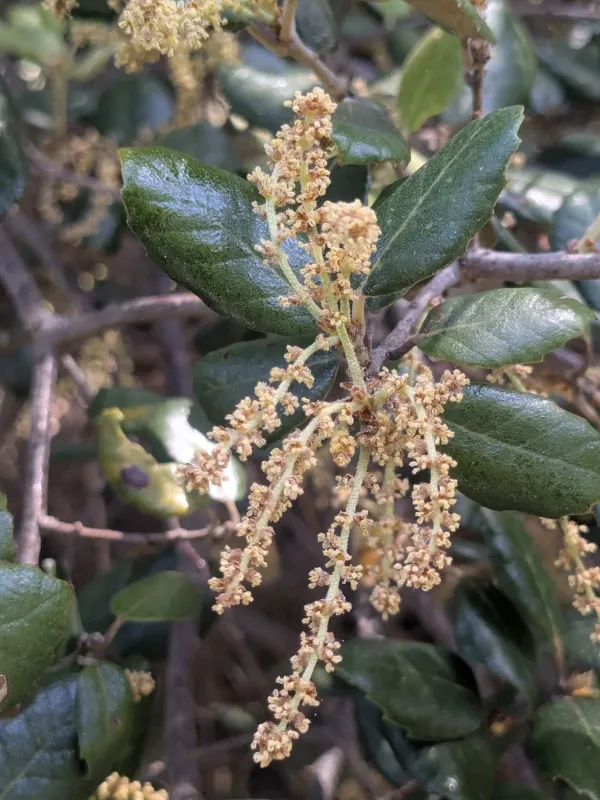
The Golden oak (Quercus alnifolia) is a unique evergreen shrub or small tree belonging to the family Fagaceae. It is endemic to the Troodos Mountains in Cyprus, where it thrives in rugged, high-altitude terrain.
This species requires well-drained, nutrient-poor, rocky soil conditions to replicate its natural environment. It is particularly well-adapted to igneous substrates such as gabbro, which are common in its native range.
Regarding climate, the plant prefers Mediterranean mountain conditions, characterized by cool, wet winters and warm, dry summers. It exhibits remarkable resilience to seasonal temperature fluctuations within its endemic range.
Proper cultivation management involves careful selection of planting sites with optimal air circulation and sun exposure. Due to its slow growth rate, patience and minimal intervention are key to the plant's long-term health.
Propagation is typically done via seeds, which require specific conditions for stratification to ensure high germination rates. Young plants should be protected from extreme heat until their root systems are fully established.
Main diseases and pests
Pathogenic fungi are a significant threat to the Golden oak, especially in cultivation environments with inadequate drainage, leading to root rot and collar decay.
Various insect pests, including gall-forming species and leaf-feeding larvae, can negatively impact the vigor of the tree if infestations are not monitored and managed.
Drought stress is a primary concern, as it weakens the plant's resistance, making it more susceptible to secondary infections and opportunistic pests.
Competitive flora, specifically invasive weeds in the immediate proximity, can deprive the young oak of vital nutrients and moisture, hindering its development.
Integrated pest management strategies focusing on cultural practices, such as proper spacing and cleaning of debris, are highly recommended to sustain tree health.