
Japanese evergreen oak
Quercus acuta
Description
Growing requirements
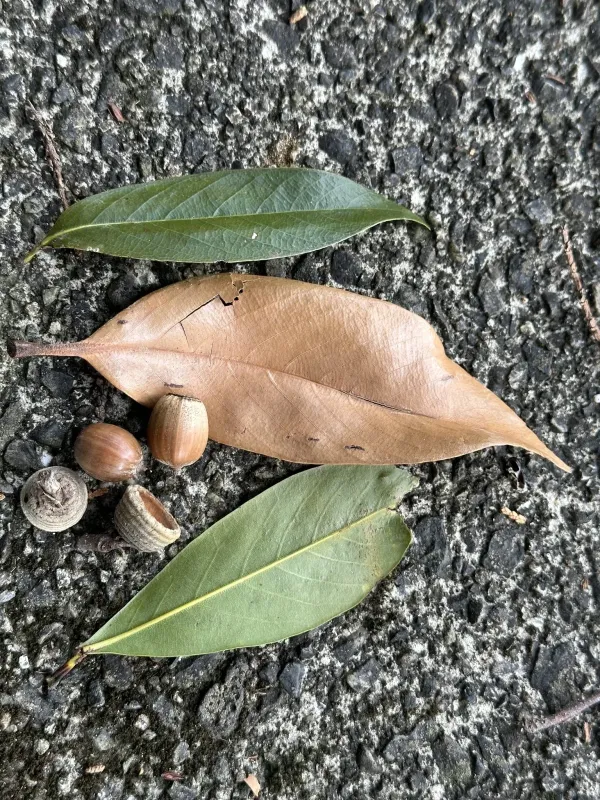
The Japanese evergreen oak (Quercus acuta) is a distinctive member of the Fagaceae family, widely recognized for its evergreen foliage. Unlike many temperate oaks, this species maintains its thick, leathery, and dark green leaves throughout the entire year, providing constant structural interest in the landscape.
Native to the warm-temperate and subtropical regions of East Asia, including Japan and Korea, this species thrives in climates with mild winters. In its natural habitat, it often grows in moist, temperate forests. When cultivated, it requires a location that provides protection from harsh, drying winds and extreme frost conditions.
Soil requirements for Quercus acuta include rich, well-drained loamy textures. It performs best in slightly acidic soils and struggles significantly in compacted or waterlogged ground. Providing a deep soil profile is essential for the long-term health and development of its root system, especially as the tree matures into its typical height of 10 to 15 meters.
Agricultural management of the Japanese evergreen oak focuses on maintaining consistent soil moisture during the establishment phase. Once the root system is well-developed, the tree demonstrates a moderate level of drought tolerance. Annual fertilization with a balanced, slow-release formula in early spring is beneficial for supporting foliage density.
Host-plant utility is primarily centered on landscaping and ornamental use. Due to its dense, evergreen crown, it is an excellent candidate for screening, windbreaks, and formal garden designs. While its timber is extremely dense and durable, the tree is rarely grown for commercial logging due to its slow growth rate and higher value as a permanent living feature.
Main diseases and pests
Like many species in the genus Quercus, this tree is susceptible to occasional fungal attacks. Powdery mildew can occur if the plant is situated in areas with poor airflow and high humidity. Proper site selection and periodic thinning of the canopy help reduce the incidence of these foliar diseases significantly.
Common pests include aphids and various types of leaf-eating larvae which can cause aesthetic damage to new growth. Integrated pest management strategies, such as encouraging natural predators or using targeted horticultural oils, are the most effective ways to manage infestations without disrupting the local ecosystem.