
Shining beech
Fagus lucida
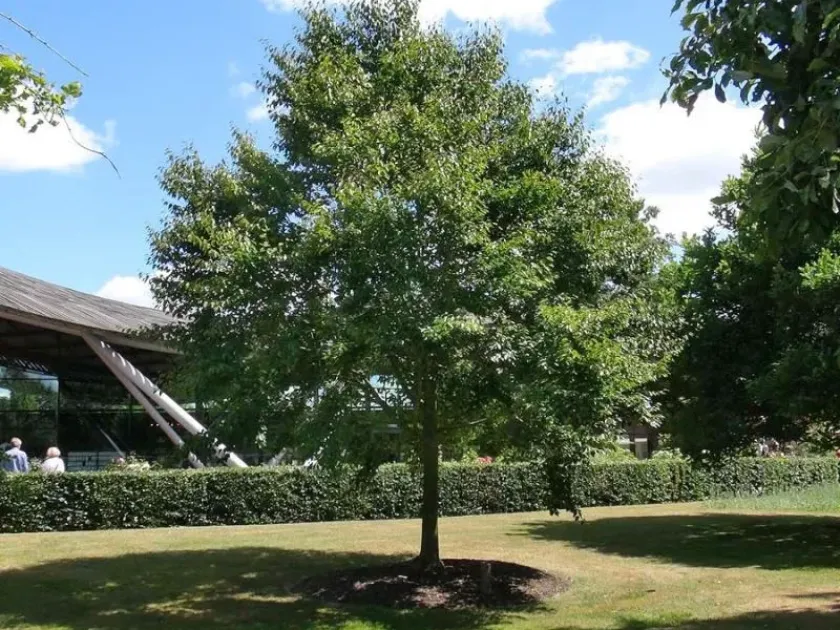
Description
Growing requirements
The shining beech (Fagus lucida) is a distinctive deciduous tree species within the Fagaceae family. Native primarily to the mountain forests of China, this species is highly valued for its striking, lustrous foliage and elegant architectural habit.
Botanically, it is defined by its smooth, light-colored bark and elongated, glossy leaves with a characteristic pointed tip. The tree prefers subtropical to temperate climates, thriving in areas where moisture levels remain consistently high throughout the growing season.
When selecting a planting site, deep, well-drained, and nutrient-rich soils are essential for long-term health. Avoid heavy clay soils that retain excessive water, as the roots are prone to oxygen deprivation and subsequent fungal decay in waterlogged conditions.
Climate requirements include protection from extreme heat and desiccating winds, which can easily scorch the delicate foliage. Ideally, Fagus lucida should be situated in partial shade or in locations where it receives dappled sunlight for the majority of the day.
Management practices should prioritize mulching around the base to conserve soil moisture and suppress weed growth. Supplemental irrigation during prolonged dry spells is critical for younger specimens to prevent stress and ensure vigorous growth.
Main diseases and pests
Shining beech is susceptible to various fungal pathogens, including leaf spots and bark cankers, which often manifest in environments with poor air circulation or consistently high humidity.
Insect pests such as leaf-eating caterpillars, aphids, and borers can compromise the structural integrity and aesthetic appeal of the trees. Regular surveillance during the spring and summer months is vital for early detection.
Preventative measures include the thinning of overcrowded branches to improve airflow through the canopy, thereby reducing the likelihood of fungal colonization in the inner foliage.
Should an infestation occur, a strategic application of horticultural oils or targeted insecticides may be necessary, provided that the timing aligns with the life cycle of the identified pest.
Ultimately, a healthy tree with optimal nutrient availability and proper moisture management is significantly more resilient to the typical diseases and pests associated with the Fagus genus.