
Japanese beech
Fagus japonica
Description
Growing requirements
The Japanese beech is a member of the Fagaceae family, native to the mountainous regions of Japan. It is a distinct species known for its graceful habit and multi-stemmed growth pattern, which contrasts with its European counterparts.
For optimal growth, this species requires deep, fertile, and well-drained soils. It thrives in locations with consistent moisture but absolutely requires a well-drained substrate, as it is highly intolerant of waterlogged soil conditions.
Climatically, it prefers cool, temperate regions with moderate rainfall throughout the growing season. While young specimens can tolerate partial shade, mature trees perform best when they have access to moderate sunlight, which encourages a more uniform canopy development.
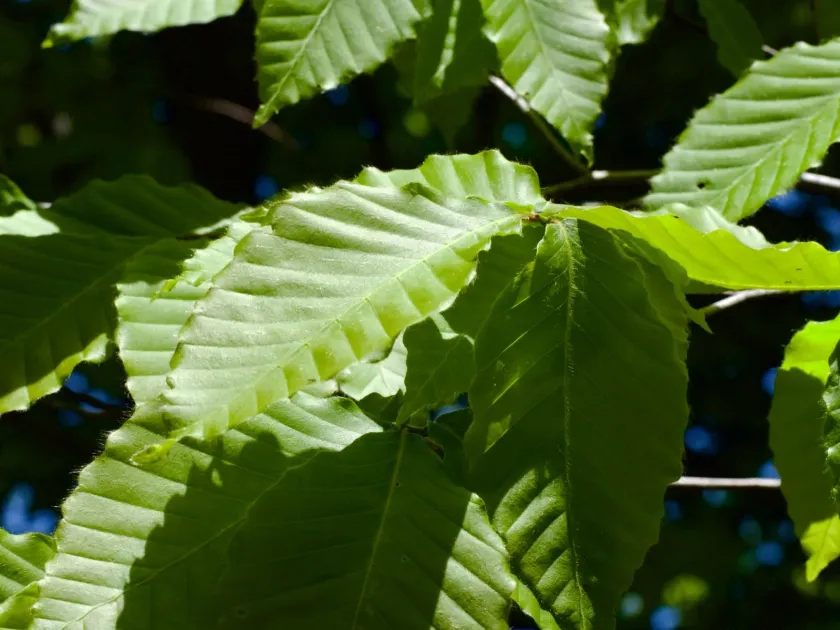
Botanically, Fagus japonica is recognized by its ovate, alternate leaves with finely serrated margins. In autumn, the foliage transforms into a striking array of golden-yellow and bronze tones, making it a valuable addition to aesthetic landscapes.
Agricultural maintenance involves regular mulching to preserve soil moisture and regulate ground temperature. Proper site selection is essential, as the species does not appreciate environments with strong, constant desiccating winds or severe drought.
Main diseases and pests
Like many trees in the beech family, Fagus japonica is susceptible to fungal infections such as powdery mildew, especially in environments with poor air circulation or excessive humidity levels during the warmer months.
Pests such as aphids and various leaf-rolling caterpillars can affect the health of young shoots and leaves. Monitoring the tree during the early spring flush is essential for identifying potential infestations before they cause significant damage.
Root rot, often caused by poor drainage, remains a primary threat to the longevity of the tree. Ensuring that the root zone is aerated and not compacted is the most effective way to prevent these soil-borne pathogens from establishing.
Cankers and bark necrosis can occur if the tree is stressed by improper site conditions, such as extreme heat or nutritional deficiencies. Maintaining a stable environment through proper mulching and periodic fertilization helps boost the tree's natural resistance.
Sanitation practices, including the removal of dead or dying branches, are recommended to maintain a healthy canopy structure and prevent the accumulation of pests or disease spores within the tree's structure.