
Engler's Beech
Fagus engleriana
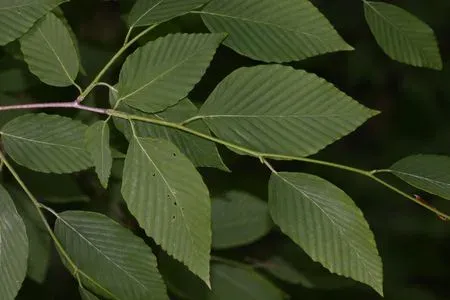
Description
Growing requirements
Engler's Beech (Fagus engleriana) belongs to the Fagaceae family. This rare deciduous tree is native to the central and eastern provinces of China. It serves as a valuable specimen for botanical collections and arboretums due to its unique genetic characteristics.
The culture prefers moist, well-drained, and humus-rich soils. The optimal soil pH level for plant development ranges from slightly acidic to neutral. The tree is highly sensitive to soil compaction and waterlogging, which necessitates careful selection of the planting site.
Climate requirements include a moderately warm environment with sufficient precipitation during the growing season. Engler's Beech exhibits relative shade tolerance during its juvenile stage, although it requires good access to filtered sunlight in its adult stage to form a dense canopy and ensure healthy growth.
Biologically, the plant is characterized by a slow growth rate, especially in its early years. A notable feature is its tendency toward multi-stemmed growth, which is frequently observed in mature specimens within natural forests, giving the tree a specific, naturalistic habit.
Economic use of the species is limited due to its rarity and conservation status in its native habitat. Primarily, Engler's Beech is used in landscape design and reforestation projects as a valuable ornamental and biodiversity-supporting species, appreciated for its distinctive leaf morphology and autumn coloration.
Main diseases and pests
The main threats to this culture are fungal diseases that affect the root system under conditions of excessive soil moisture. Specifically, species of the genus Phytophthora can cause root rot, which leads to the gradual decline and death of the tree.
Pests typical of the Fagus genus include various leaf beetles and bark beetles. Caterpillars, which defoliate the tree, and specific aphid species, which weaken young shoots and lower the plant's overall resistance, represent significant risks.
A negative impact on tree health occurs due to sudden fluctuations in groundwater levels. Even brief drought periods without proper maintenance can lead to necrosis of the leaf margins and premature leaf drop in saplings.
To prevent the spread of diseases, it is essential to ensure good canopy aeration and avoid overcrowding. Sanitary pruning of damaged branches minimizes the risk of fungal spore infection in bark cracks or pruning wounds.
Chemical protection methods are justified only in cases of massive pest infestation. In most cases, preference is given to biological control methods and proper agrotechnical practices that maintain high vitality and plant resilience.