
Japanese beech
Fagus crenata
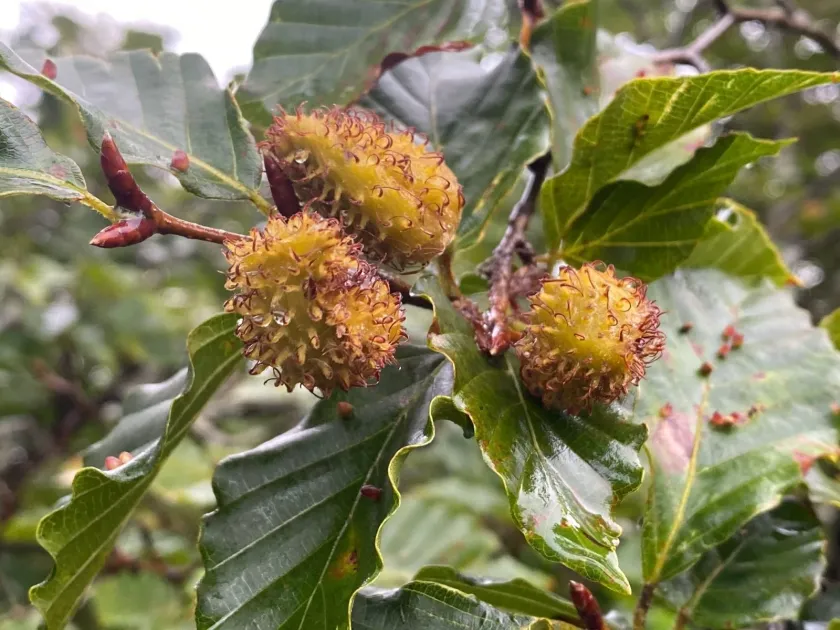
Description
Growing requirements
The Japanese beech (Fagus crenata) is a deciduous tree belonging to the family Fagaceae. It is native to Japan, where it dominates natural forest landscapes, often forming climax communities in mountainous regions with high atmospheric humidity.
Successful cultivation of this species requires a temperate climate with consistent rainfall throughout the growing season. The tree prefers deep, well-draining soils that are rich in organic matter, as it cannot tolerate prolonged flooding or waterlogged conditions that may lead to root rot.
In terms of silviculture, Fagus crenata thrives in shaded or semi-shaded environments during its youth. As it matures, it develops a large, spreading canopy and requires more sunlight, making thinning operations essential in plantation management to promote vigorous growth.
Soil management for this species should focus on maintaining a slightly acidic pH level and ensuring adequate nutrient availability. Regular mulching around the base of young trees helps regulate soil temperature and moisture levels, which are critical for early establishment.
The wood of the Japanese beech is highly valued for its hardness, fine texture, and attractive grain pattern. It serves as a primary raw material for high-quality furniture, flooring, plywood, and various interior wooden fittings, sustaining its economic importance in the forestry sector.
Main diseases and pests
Common health issues in beech plantations include bark necrosis and various fungal diseases that often emerge under stress conditions. Proper forest hygiene, including the removal of dead or decaying wood, is fundamental to preventing the spread of pathogens throughout the stand.
Insect pests, such as wood-boring beetles, represent a significant threat to tree vitality, particularly during drought cycles. Implementing integrated pest management strategies, such as encouraging natural predators and maintaining tree health, is the most effective approach to long-term crop protection.