
Golden chinkapin
Chrysolepis chrysophylla
Description
Sowing dates
Propagation of the golden chinkapin is primarily achieved through seeds, which must be collected as soon as they reach maturity in autumn.
Fresh seeds benefit significantly from cold stratification, mimicking the natural winter conditions required to break seed dormancy effectively.
Sowing in a well-drained, acidic potting medium is recommended for nursery production, ensuring that the seeds are protected from moisture-related rot.
The germination period can be extended, often requiring several months of consistent environmental conditions to ensure successful establishment.
Once seedlings have developed their first true leaves, they should be transplanted into individual containers to allow for healthy root development before field planting.
Growing requirements
The golden chinkapin is a member of the Fagaceae family, naturally occurring in the diverse forest ecosystems of the Pacific Northwest.
This species thrives in deep, well-drained soils that have a slightly acidic pH, avoiding areas with compacted or alkaline substrates.
In terms of light exposure, the plant exhibits adaptability, performing well in full sun once established, though it requires partial shade during its initial growth phase.
Climatic requirements involve moderate temperatures, as the tree is native to regions with clear seasonal transitions and reliable annual rainfall.
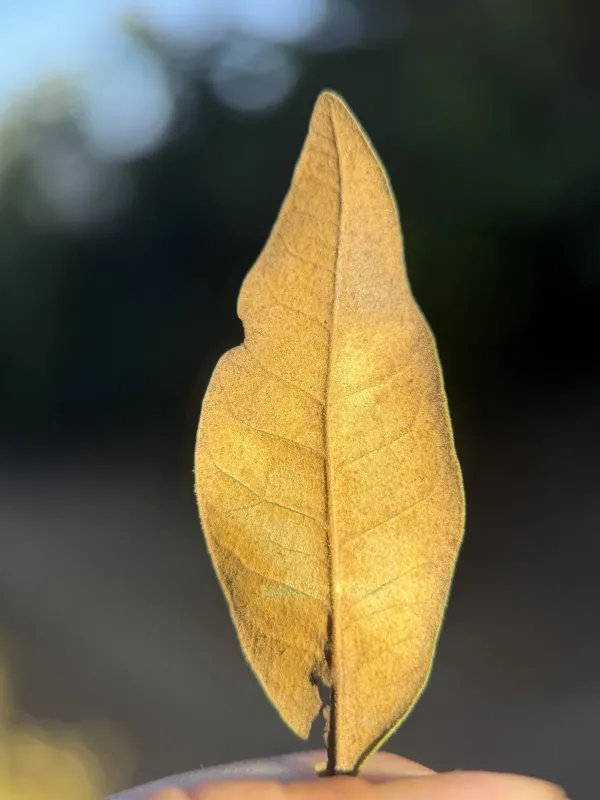
It displays notable drought tolerance, largely due to the unique morphology of its foliage, which is covered in golden-yellow scales that minimize water loss.
Main diseases and pests
Root rot caused by Phytophthora species is considered the most serious disease risk for chinkapin populations, especially in poorly drained sites.
Nut weevils frequently infest the developing fruit, posing a significant challenge to farmers aiming for high-quality nut production.
Mechanical damage to the trunk often serves as an entry point for wood-decay fungi, which can structurally weaken mature specimen trees over time.
Powdery mildew can affect the foliage during periods of high humidity and stagnant air, reducing the photosynthetic capacity of the tree.
Integrated pest management strategies focusing on promoting tree health are the most effective way to mitigate these biotic threats.
Harvesting
Harvesting usually occurs in late autumn when the prickly burs open, revealing the small, edible nuts hidden inside the shells.
Due to the sharp nature of the protective burs, manual harvesting requires protective gear to safely access the nuts contained within.
Post-harvest handling is critical; nuts should be cleaned, sorted, and dried in a cool, ventilated area to ensure they remain shelf-stable.
The nuts of the golden chinkapin are known for their distinct, sweet flavor profile once properly roasted or prepared for culinary use.
Efficient storage in a refrigerated environment helps to maintain the oil content and quality of the nuts, preventing rancidity during the off-season.