
Castanopsis wattii
Castanopsis wattii
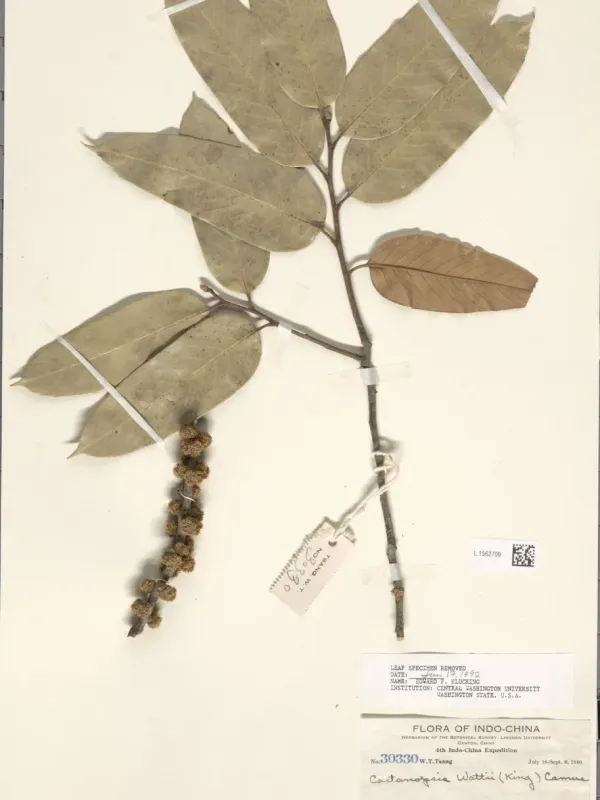
Description
Sowing dates
Reproduction of Castanopsis wattii in natural environments occurs primarily through seeds, which demonstrate high germination rates following a period of stratification.
In nursery settings, sowing is typically conducted in the autumn, immediately after the harvest, to simulate the natural dormancy cycle of the seeds.
To accelerate germination, seeds may be treated with growth stimulants for several hours prior to being placed into the soil substrate.
The standard depth for sowing is between 3 to 5 centimeters, which ensures the embryo is protected from desiccation and rodent interference.
Optimal spacing for seedlings when establishing a plantation is at least 4-6 meters to ensure sufficient room for canopy development over time.
Growing requirements
Castanopsis wattii belongs to the Fagaceae family and favors humid subtropical climatic zones with abundant rainfall throughout the year.
The culture is highly demanding regarding soil structure, thriving best in deep, well-drained loams with neutral or slightly acidic pH levels.
The tree is sensitive to sudden temperature fluctuations and requires protection from harsh winds, especially during the first few years after planting.
Consistent light availability is necessary for healthy growth, although young saplings can tolerate temporary shading from the forest canopy.
An essential requirement is the absence of standing water near the root zone, as poor drainage often leads to root rot and tree mortality.
Yield
The primary economic value of Castanopsis wattii lies in the production of edible nuts, which share culinary characteristics with chestnuts.
Trees typically begin producing a significant nut harvest between 10 to 15 years of age, a common trait for slow-growing forest species.
Overall yields are heavily dependent on seasonal climatic conditions and can fluctuate significantly based on the planting density per hectare.
The fruits develop within specialized cupules, which open naturally once the seeds reach full biological maturity.
In addition to nuts, the culture is prized for its durable timber, which is utilized in fine woodworking and various construction projects.
Main diseases and pests
The main threats to this culture include fungal diseases, which proliferate under conditions of high humidity and poor crown ventilation.
Young trees are susceptible to damage by various leaf-eating insects, necessitating proactive monitoring and preventative spraying.
Small mammals and rodents often prey on seeds, making protective fencing or mesh enclosures essential during the direct seeding process.
Trees are also vulnerable to stem-boring pests that penetrate the wood tissue through cracks in the bark or mechanical injuries to the trunk.
Disease management relies on adherence to strict agrotechnical standards, timely sanitary pruning, and regular inspection of the plantation.
Harvesting
Harvesting of Castanopsis wattii nuts is performed once the cupules begin to open naturally, signaling that the fruits are ready for collection.
Mechanical harvesting is often difficult due to the tree's growth habits, so manual gathering of fallen nuts from the ground remains standard.
After collection, the nuts must be cleaned of any fruit husk remnants and dried quickly in the shade to prevent the growth of mold.
Storage of the nuts requires low temperatures and controlled humidity levels to maintain both nutritional quality and seed viability.
Poor post-harvest conditions lead to rapid spoilage, making prompt handling and proper climate control critical to maintaining crop value.