
Castanopsis orthacantha
Castanopsis orthacantha
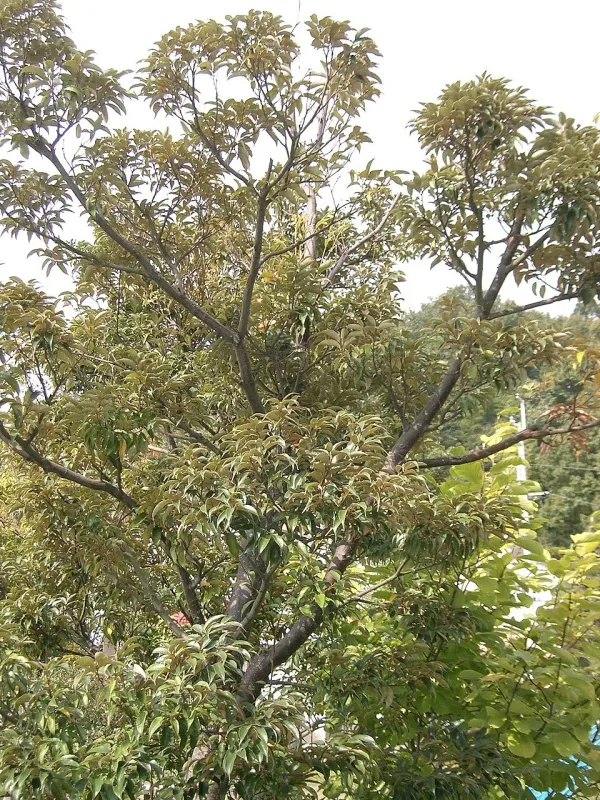
Description
Growing requirements
Castanopsis orthacantha is an evergreen tree belonging to the Fagaceae family. It is a robust species that plays a significant role in the forest ecosystems of its native habitat, primarily in southern China.
The tree thrives in subtropical environments characterized by high annual rainfall and mild winter temperatures. It prefers mountain slopes where the soil is rich in organic matter and has excellent drainage properties.
Optimal growth requires a pH range that is slightly acidic to neutral. The plant is quite sensitive to waterlogging, so site selection should prioritize areas with naturally sloping terrain or sandy-loam compositions.
Light requirements evolve throughout the life cycle of the tree. Seedlings require filtered light to prevent leaf scorch, while mature trees demonstrate high heliophilic characteristics, requiring direct sunlight for vigorous development.
Proper soil management is essential. Mulching the root zone helps maintain stable moisture levels and promotes the activity of beneficial soil microorganisms that aid in nutrient uptake.
Main diseases and pests
Common threats to the health of the species include fungal pathogens that attack the bark, particularly in humid or overcrowded conditions where airflow is restricted.
Pest pressure is frequently driven by insect larvae, such as weevils, which can bore into the nuts, severely reducing their viability and commercial appeal.
Environmental stress, such as prolonged drought or extreme soil compaction, can weaken the trees and make them more susceptible to secondary infections by wood-decay fungi.
Integrated pest management strategies are recommended, focusing on maintaining biodiversity in the forest stand to naturally control the population of harmful insects.
Regular monitoring of the tree canopy and root zone allows for early detection of problems. If a disease is identified, immediate removal and destruction of affected parts can prevent it from spreading.
Harvesting
The primary agricultural interest in Castanopsis orthacantha lies in its high-quality timber. The wood is dense, durable, and highly prized for furniture manufacturing and high-end cabinetry.
The fruit of the tree consists of nuts enclosed in a spiny husk. While these nuts are nutritious, their harvest is primarily an artisanal activity rather than an industrial one due to the protective spines.
Sustainable harvesting involves selective thinning of the forest stand. By removing weaker or suppressed trees, foresters encourage the remaining specimens to grow larger and produce higher-quality timber.
After harvesting, the wood must undergo a careful seasoning process to prevent warping and cracking. Once properly treated, it exhibits excellent stability and resistance to various environmental factors.
The harvest cycle for timber is long, requiring strategic planning. Managed plantations often utilize a rotational approach to ensure a continuous supply of wood over several decades.