
Castanopsis lucida
Castanopsis lucida
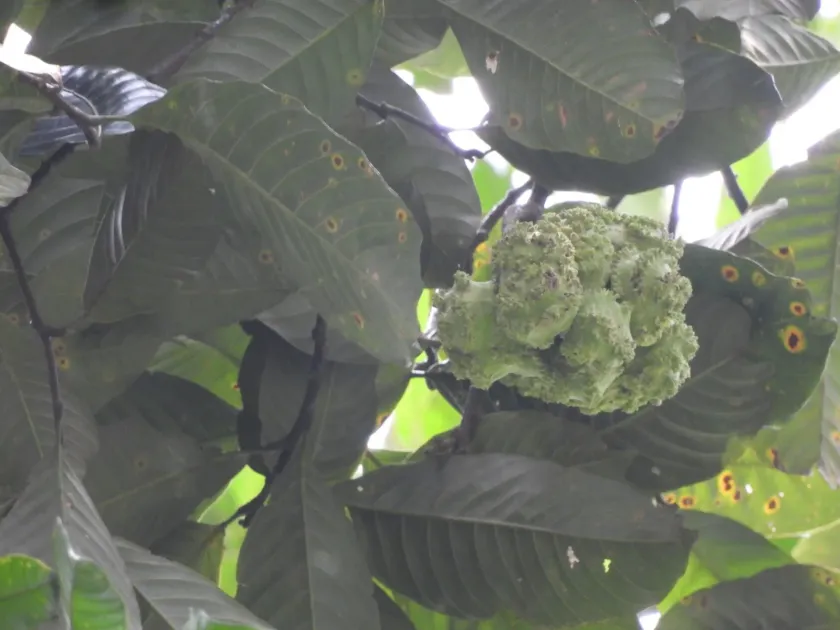
Description
Growing requirements
Castanopsis lucida is a robust evergreen tree species belonging to the Fagaceae family. It is primarily native to the humid tropical and subtropical regions of Southeast Asia, where it thrives in diverse forest ecosystems.
The species prefers deep, fertile, and well-drained soils. Proper drainage is a critical requirement for this crop, as waterlogging can cause significant root stress and increase the incidence of soil-borne pathogens.
Climate-wise, it requires stable, warm temperatures throughout the year. It does not tolerate prolonged frost or extreme cold, which makes it suitable primarily for regions without harsh winters.
Young trees benefit from partial shade, but as they mature, they require full sun exposure to reach their full growth potential and ensure the development of a strong, straight trunk.
General silvicultural care involves weeding the surrounding area during the establishment phase and protecting the young plants from extreme wind until they are sufficiently rooted.
Yield
Castanopsis lucida is highly regarded for its valuable timber. Its wood is dense, durable, and naturally resistant to rot, making it an excellent material for construction and furniture manufacturing.
The harvested timber is commonly processed into veneers, high-end cabinetry, and flooring materials due to its fine grain and ability to retain a high-quality finish after staining or varnishing.
In addition to its timber value, the tree plays a vital role in forest rehabilitation and erosion control, as its extensive root system helps stabilize steep hillsides and improve soil structure.
Sustainable forest management practices allow for cyclical harvesting. Depending on site quality, the trees can reach harvestable dimensions within several decades of growth.
The productivity of these stands is maximized through selective thinning, which provides more space and nutrients for the remaining trees to gain girth more rapidly.
Main diseases and pests
Fungal diseases are among the primary threats to Castanopsis lucida, especially in dense plantations where airflow is restricted and humidity remains consistently high for long periods.
Pests, particularly borers and leaf-eating beetles, can cause significant damage to nursery stock and young trees, necessitating a structured program for monitoring and physical control.
Root rot caused by Oomycetes can occur if the site conditions become anaerobic. Preventing this requires careful selection of planting sites and avoiding heavy, compacted soil types.
To mitigate these threats, foresters often utilize integrated pest management strategies, focusing on site sanitation and the preservation of natural predators for harmful insects.
Ongoing research into resistant genetic varieties and improved cultural practices remains essential for maintaining the health and long-term viability of Castanopsis lucida plantations.