
Castanopsis inermis
Castanopsis inermis
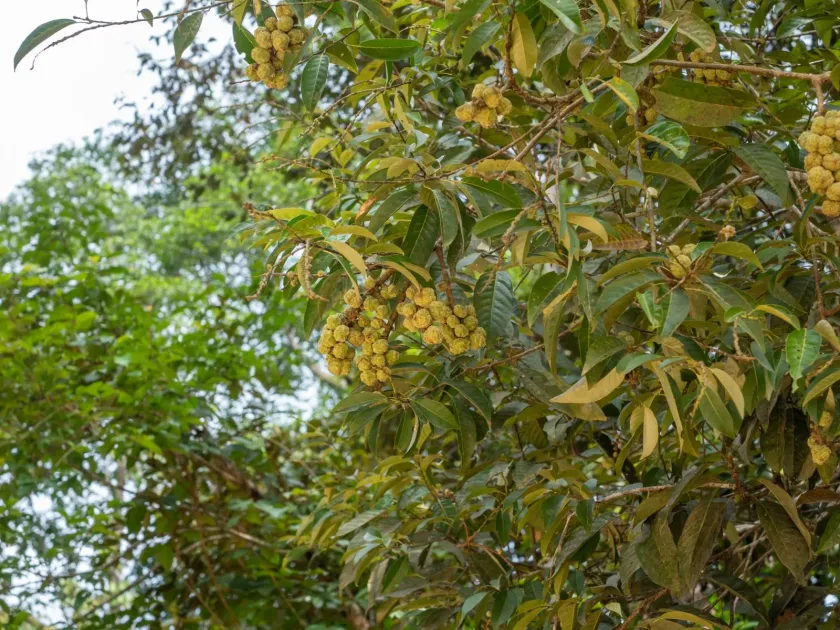
Description
Growing requirements
Castanopsis inermis, commonly known as a species of evergreen tree within the Fagaceae family, is native to the tropical forests of Southeast Asia. This species is an integral component of the ecosystem in countries like Indonesia and Malaysia, thriving in hot and humid tropical conditions.
The climate requirements for this culture include high annual temperatures and substantial, consistent rainfall. Castanopsis inermis is known for its ability to adapt to diverse tropical environments, provided there is enough atmospheric humidity to support its dense canopy.
Botanically, the tree is distinguished by its smooth, unarmed fruit husks, which makes it distinct within the genus. It develops a sturdy trunk and a broad crown, contributing significantly to forest biomass production and carbon sequestration in its native range.
When grown commercially, the tree demands fertile, well-drained soil types to prevent moisture stagnation. While it can withstand various soil profiles, its growth rate is significantly higher in deep, nutrient-rich soils with adequate soil aeration.
Economically, the timber of Castanopsis inermis is highly regarded for its durability and structural properties. It is widely utilized in high-quality furniture making, interior finishing, and traditional timber framing where structural stability is required.
Main diseases and pests
The primary threats to Castanopsis inermis plantations include fungal infections triggered by excessive soil moisture and poor drainage. Root pathogens are the most critical concern, especially in seedling and sapling stages where the tree's resilience is still developing.
Wood-boring insects represent a significant biological threat in managed stands. These pests can compromise the integrity of the timber, making regular field inspections essential for maintaining the quality and health of the growing crop.
Invasive plant competition is another significant challenge during the early stages of establishment. Rapidly growing weeds can effectively outcompete young Castanopsis saplings for sunlight and essential soil nutrients, leading to growth delays.
Soil compaction caused by improper mechanical maintenance of plantations can severely affect root oxygenation. This physiological stress creates an entry point for secondary pathogens, undermining the overall vigor of the trees.
Sustainable forest management practices, including careful selection of planting sites and maintaining appropriate thinning regimes, are essential to mitigate these biological threats and ensure the long-term productivity of the plantation.