
Castanopsis fissa
Castanopsis fissa
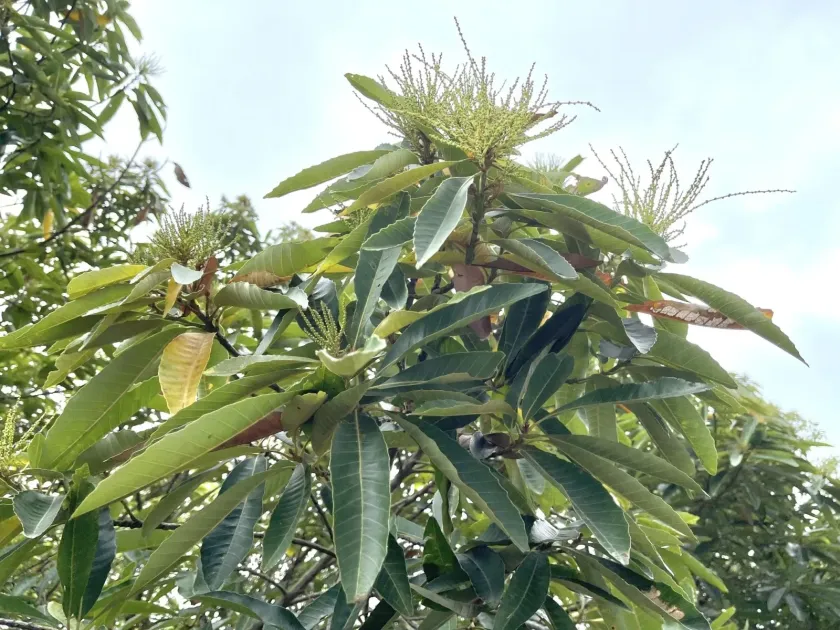
Description
Growing requirements
Castanopsis fissa, a member of the Fagaceae family, is a notable evergreen tree species native to subtropical regions of China and Southeast Asia. It is highly valued for both its timber and ecological contributions.
This species thrives in warm, humid climatic zones where temperatures remain stable throughout the year. It exhibits excellent growth rates in environments with high annual rainfall and consistent atmospheric humidity.
Regarding soil requirements, Castanopsis fissa prefers well-drained, deep, and fertile soils. It is particularly sensitive to waterlogging, making proper drainage systems essential for healthy stand establishment.
While seedlings may benefit from partial shade to establish initial growth, mature trees require significant sunlight exposure to develop a dense canopy and maximize their productive capacity.
The tree serves as a vital component in forest ecosystems, contributing to soil stability and habitat provision for local wildlife due to its dense foliage and seed production.
Harvesting
The harvesting of Castanopsis fissa nuts is a seasonal activity that coincides with the natural maturity of the spiny cupules. Once the cupules split, the nuts are ready to be collected from the ground.
Traditional collection methods are still common, involving manual gathering of fallen seeds. This ensures that only fully matured seeds are collected, minimizing the harvest of underdeveloped nuts.
Post-harvest handling involves removing the remnants of the cupules and cleaning the nuts. Following cleaning, the seeds must be dried effectively to ensure long-term stability and prevent fungal contamination.
The nutritional profile of the seeds, rich in proteins and carbohydrates, makes them a valuable non-timber forest product. They are often processed to extract oils or used in traditional culinary practices.
Proper management of the harvest cycle is crucial for maintaining forest regeneration. By leaving a portion of the seed crop, practitioners ensure the long-term sustainability of their forest stands.