
Castanopsis delavayi
Castanopsis delavayi
Description
Growing requirements
Castanopsis delavayi is an evergreen tree species belonging to the Fagaceae family. Naturally occurring in the mountainous subtropical forests of southwestern China, it is a significant species in its native ecosystem.
The tree thrives in climates with high humidity and mild temperatures. It requires well-drained, slightly acidic to neutral loamy soils, as it is sensitive to waterlogged conditions that can cause root rot.
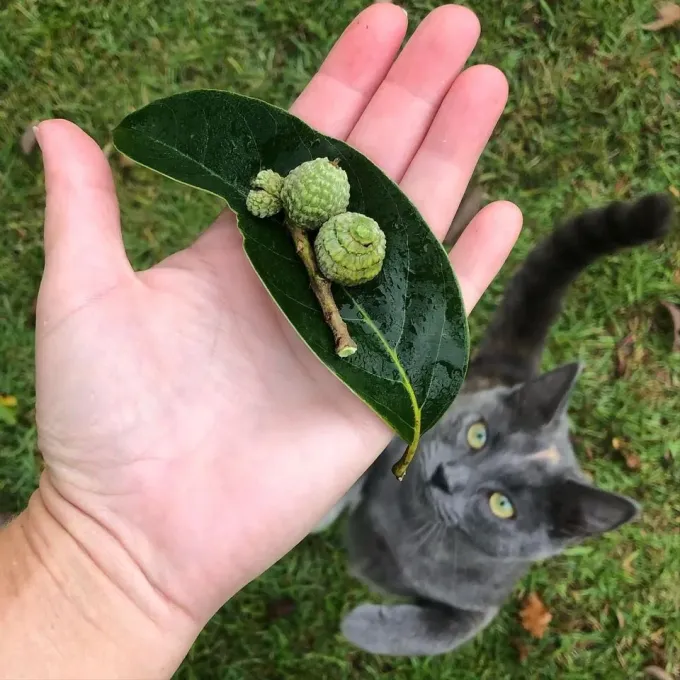
Botanically, it is characterized by dense, leathery leaves with a distinct silvery underside. The tree produces small, nut-like fruits enclosed within spiny husks, which are harvested for their nutritional properties after processing.
Agricultural practices for this species focus on providing young plants with protection from harsh direct sunlight and winds. Consistent irrigation and nutrient management are essential during the early stages of establishment.
Economically, the wood of Castanopsis delavayi is valued for its durability and is used in construction and craftsmanship. The tree also serves an important role in agroforestry and ornamental landscaping due to its dense, aesthetic canopy.
Main diseases and pests
Common plant health issues include fungal infections of the bark and roots, typically caused by improper soil moisture management. Ensuring adequate drainage is the primary defense against such pathogens.
Insect pests, such as weevils, often target the developing seeds inside the husks. Implementing integrated pest management strategies during the flowering season is crucial for protecting the harvest.
Mechanical damage to the trunk or branches can act as an entry point for various diseases. All pruning activities should be performed using sanitized equipment followed by the application of sealants.
Leaf-feeding insects may affect young seedlings, requiring periodic monitoring and intervention. Maintaining optimal soil fertility helps the tree defend itself against minor infestations.
Environmental stress, such as severe cold or prolonged drought, can leave the trees vulnerable to secondary attacks by wood-boring insects. Providing adequate maintenance is the best approach to ensure longevity.