
Castanopsis cuspidata
Castanopsis cuspidata
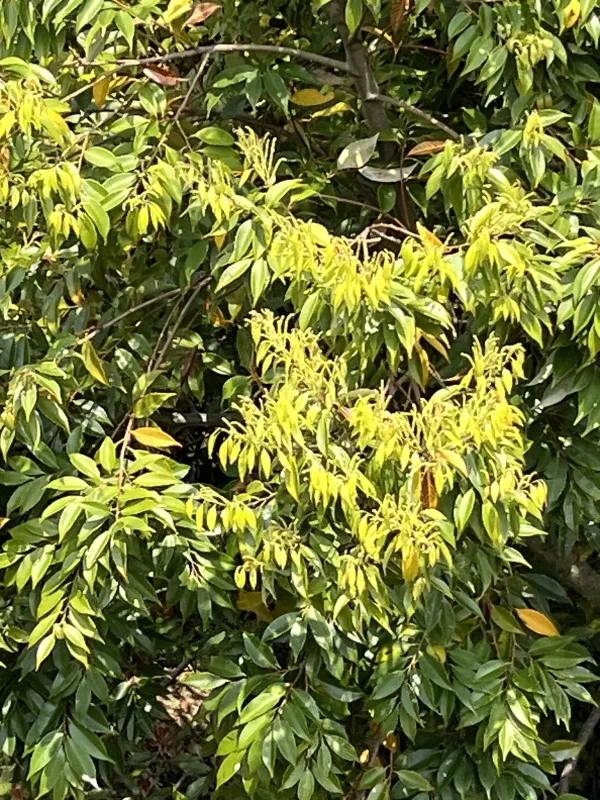
Description
Growing requirements
Castanopsis cuspidata, commonly known as the Japanese chinquapin, is an evergreen tree species belonging to the Fagaceae family. Native to East Asia, it thrives in temperate and subtropical climates, characterized by high humidity and relatively mild winters without prolonged freezing temperatures.
The species requires deep, well-drained, and slightly acidic soils to thrive. It is sensitive to waterlogged conditions, which can lead to root degradation; therefore, selecting a site with proper drainage is the most critical factor for successful plantation establishment.
Botanically, the tree is recognized for its dense, glossy foliage and its ability to grow into a large, sturdy canopy over time. Its growth habit is naturally slow but consistent, contributing to the development of high-density wood that is prized in various industrial applications.
In terms of agricultural management, regular pruning is necessary to maintain shape and encourage air circulation. Mulching is highly recommended to regulate soil temperature and moisture levels, mimicking the natural forest floor conditions where this species originated.
The economic importance of Castanopsis cuspidata lies primarily in its edible nuts, which have been a traditional food source in Japan for centuries, and its dense, durable wood, which is widely utilized in fine woodworking and construction.
Main diseases and pests
The primary threats to Castanopsis cuspidata plantations involve fungal pathogens such as leaf spot and powdery mildew. These diseases often emerge when trees are planted too densely, leading to poor air circulation and excessive moisture retention in the foliage.
Pest pressures include wood-boring insects and specific types of weevils that target developing nuts, causing significant yield losses. Effective management requires constant surveillance during the reproductive stage to identify the first signs of infestation.
- Regular inspection of the bark for entry holes.
- Sanitation pruning to remove dead or diseased branches.
- Application of specialized fungicides in early spring.
- Integrated pest management to promote natural predators.
Maintaining tree vigor through balanced fertilization helps the species defend itself against minor infections. Stressed trees, whether from drought or poor soil, are far more susceptible to secondary pest attacks than healthy, well-maintained specimens.
Site selection is the ultimate defense: ensuring the plantation is situated away from wind-exposed ridges and on appropriate terrain significantly mitigates the risk of both disease and mechanical damage to the tree canopy.