
Castanopsis costata
Castanopsis costata
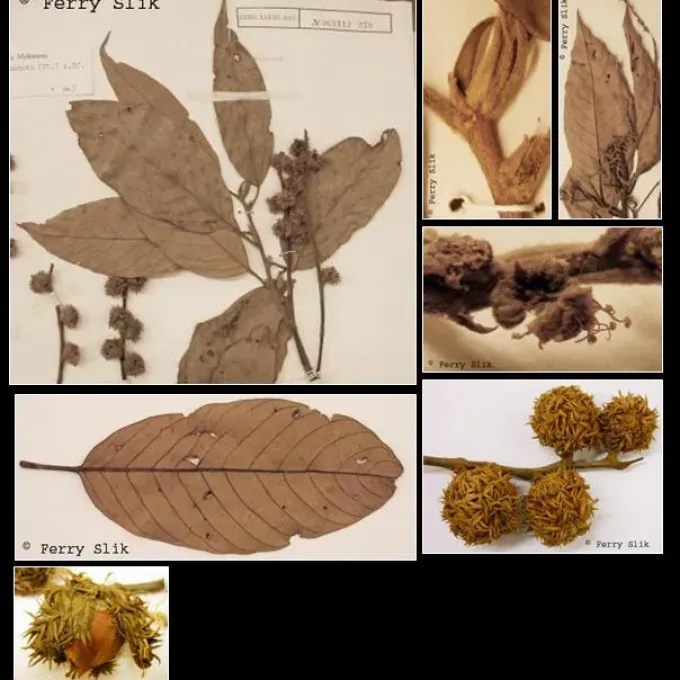
Description
Sowing dates
Propagation of Castanopsis costata is primarily achieved through seeds, which require immediate handling due to their rapid loss of viability after ripening.
Seeds should be collected promptly as they fall to the ground and sown into a loose, nutrient-rich substrate to initiate the germination process successfully.
Maintaining high humidity and warm temperatures (25–30°C) is essential during the initial growth stages to encourage healthy root development in the young seedlings.
Nurseries typically use large containers with high drainage capacity, as the delicate taproots of the saplings are susceptible to waterlogging and decay.
The transition to field planting is best scheduled for the onset of the rainy season, allowing the root system to establish itself before the peak heat of the year.
Growing requirements
Castanopsis costata is a member of the Fagaceae family, thriving in the warm and humid climates typical of Southeast Asian tropical forest ecosystems.
The tree requires consistently high temperatures throughout the year and is sensitive to frost, which limits its commercial cultivation to suitable tropical latitudes.
A well-drained, deep soil profile is crucial, preferably with a slightly acidic to neutral pH level, rich in organic matter to support the massive growth of the tree.
While seedlings require partial shade to mimic the forest floor environment, mature trees need full sunlight to reach their full potential and maximize fruit production.
Proper spacing between trees in a plantation is necessary to prevent overcrowding, ensure adequate airflow, and minimize competition for vital soil nutrients.
Yield
The economic potential of this species is tied to its fruit, which serves as a valuable local food source and a potential high-value commodity in niche nut markets.
Initial fruit production typically begins when the tree reaches an age of 8 to 12 years, depending on the site conditions and the care provided during development.
Consistent annual yields are dependent on balanced precipitation patterns, as drought stress during the flowering stage can significantly reduce the final harvest.
Regular fertilization with micronutrients and organic amendments helps maintain tree vigor and enhances the nutritional quality of the nuts harvested each year.
The yield potential can be improved through systematic plantation management, including selective pruning to encourage a more productive canopy structure.
Main diseases and pests
Pathogenic fungi that cause root rot and stem cankers represent the most significant threat to the health and longevity of Castanopsis costata plantations.
Insect pests such as borers and seed-feeding weevils can damage the nuts, necessitating a proactive pest management strategy to protect the market quality.
Poor site sanitation, characterized by the accumulation of debris and stagnant water, increases the risk of spreading soil-borne diseases among the trees.
Integrated pest management, including the use of pheromone traps and physical barriers, is recommended to reduce reliance on chemical insecticides.
Ongoing monitoring of canopy density is vital, as excessive humidity trapped within the foliage facilitates the spread of powdery mildew and other foliar pathogens.
Harvesting
The harvesting process involves gathering the fallen nuts from the forest floor once the woody husks have split open naturally due to the ripening process.
Manual collection must be done carefully, given the protective spiny husks that surround the nut, requiring the use of appropriate safety equipment for workers.
Post-harvest processing requires immediate removal of husks, followed by washing to clean the nuts of soil contaminants and debris before the drying phase.
Thorough drying is essential to reduce moisture content to safe levels, which effectively prevents the development of storage-related molds and ensures long-term quality.
Storage should take place in cool, well-ventilated conditions to preserve the flavor and nutritional profile of the nuts until they reach the final consumer.