
Castanopsis boisii
Castanopsis boisii
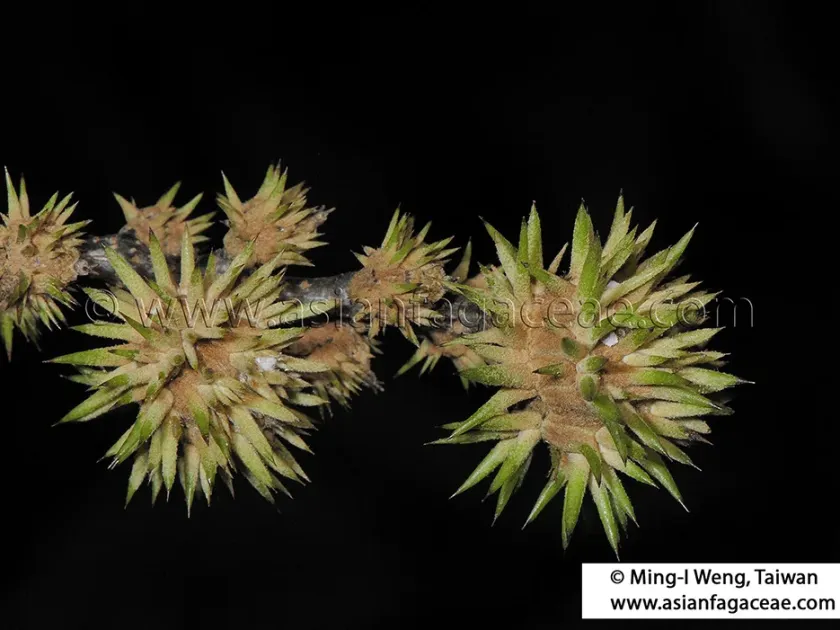
Description
Growing requirements
Castanopsis boisii is an evergreen tree species belonging to the Fagaceae family. It is recognized for its ecological importance and its contribution to the forestry sectors in Southeast Asia, particularly in Vietnam.
The tree thrives in mountainous regions characterized by a humid subtropical climate. Its natural range provides essential insights for cultivation, emphasizing the need for stable temperatures and consistent environmental moisture.
For successful cultivation, well-drained, nutrient-rich soils are required. The species performs best in slightly acidic to neutral soil environments, which support robust root growth and efficient nutrient absorption from the surrounding substrate.
Agricultural practices for this crop focus on creating conditions similar to its native forest habitat. Adequate space and protection from harsh, dry winds during the early stages of development are crucial for establishing a healthy orchard.
Beyond its timber value, the seeds of Castanopsis boisii serve as a viable food source. The kernels are harvested for their nutritional content, making the tree a multi-purpose crop that combines forestry with sustainable food production.
Main diseases and pests
The most common threat to Castanopsis boisii involves fungal pathogens that affect root health. Proper drainage systems are essential to prevent water stagnation, which is the primary cause of root rot diseases in this species.
Fruit-boring insects present a significant challenge during the ripening phase. Integrated pest management strategies, including biological control, are recommended to protect the harvest from damage caused by various insect larvae.
Leaf-feeding insects can cause defoliation, which hampers the tree's growth rate and photosynthetic capacity. Regular inspections and the application of targeted insecticides can help maintain tree health during the peak growing season.
Mechanical damage to the bark or branches serves as an entry point for various wood-decaying fungi. Careful handling during pruning and maintenance is vital to preserve the long-term structural integrity of the trees.
General tree health is highly dependent on balanced nutrition and sunlight exposure. Ensuring that each tree has sufficient space for canopy development significantly reduces the stress that often leads to increased susceptibility to diseases.