
Castanopsis acuminatissima
Castanopsis acuminatissima
Description
Growing requirements
Castanopsis acuminatissima belongs to the Fagaceae family, commonly known as the oak and beech family. This large, evergreen tree is a significant component of mountain forest ecosystems throughout Southeast Asia, thriving in stable tropical climates.
The tree demands a specific environment characterized by high humidity and consistent rainfall throughout the year. It performs best in areas where the soil is deep, fertile, and possesses excellent drainage capabilities to prevent root-related issues.
When establishing plantations, site selection is critical. The species prefers locations with slightly acidic soils and protection from high winds, which can damage the canopy of young trees during their formative years.
Agro-technical practices involve initial protection of seedlings from encroaching weeds and faster-growing pioneer species. In natural conditions, the tree grows steadily, but under cultivation, supplementary nutrition may be required in poorer soils.
The role of mycorrhizal associations is vital for the development of Castanopsis. Planting in soils that contain appropriate fungal colonies significantly enhances the nutrient uptake and overall vigor of the young trees.
Yield
The primary economic output of Castanopsis acuminatissima is its high-quality hardwood. The timber is prized for its density, durability, and resistance to environmental stress, making it highly suitable for luxury furniture and heavy construction.
The nuts produced by the tree are also harvested for human consumption. While not a global commodity, they serve as an important source of nutrition in local forest-based economies, often prepared through traditional roasting or boiling.
Yield management requires careful planning of stand density to ensure optimal growth rates for every tree. Sustained-yield forestry practices are essential for maintaining the productivity of these stands over several decades.
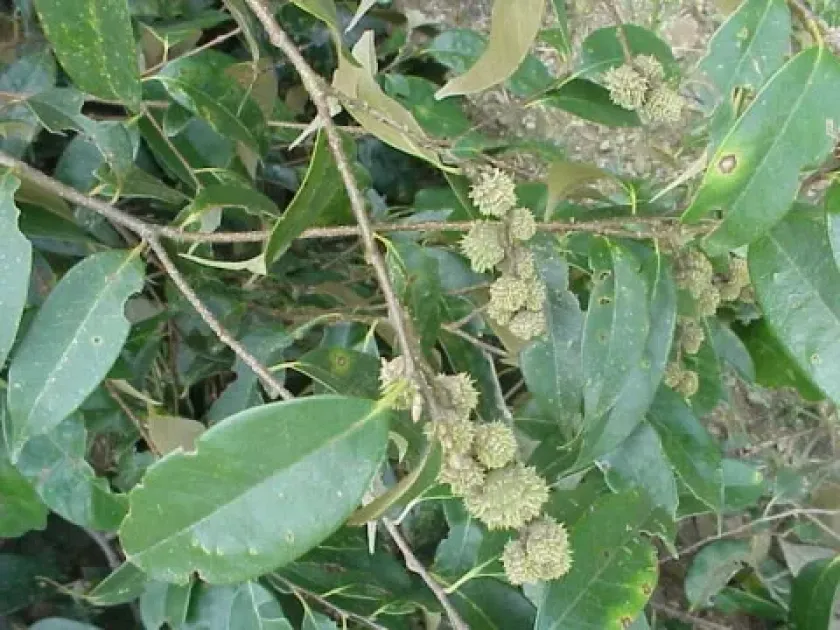
Harvesting the nuts presents challenges due to the spiky involucre surrounding the seeds. Specialized tools are often used by collectors to extract the nuts efficiently without damaging the tree or risking injury from the sharp outer coatings.
Integrating this species into agroforestry models serves dual purposes: providing long-term timber returns and stabilizing mountain landscapes against soil erosion, which is a major concern in tropical mountainous regions.
Main diseases and pests
The culture is susceptible to various fungal pathogens that can cause leaf spots and root decay. Proper spacing between trees is essential to ensure adequate airflow, which naturally reduces the moisture levels that promote fungal outbreaks.
Wood-boring insects represent a significant threat to the health of older trees. These pests can cause structural damage to the trunk, lowering the timber grade and potentially leading to tree mortality if infestations are left unchecked.
Environmental stresses, such as shifting rainfall patterns due to climate change, can undermine the tree's health. Drought conditions, while rare in its native range, can significantly slow down growth and increase susceptibility to pests.
Integrated pest management (IPM) strategies, which prioritize biological controls and habitat management, are recommended. This approach avoids the excessive use of chemicals, preserving the surrounding biodiversity of the forest stand.
Regular monitoring and removal of infected wood are crucial practices for maintaining a healthy stand. By eliminating dead or dying branches, foresters can prevent the buildup of pathogens and maintain the vitality of the entire plantation.