
Athrotaxis
Athrotaxis
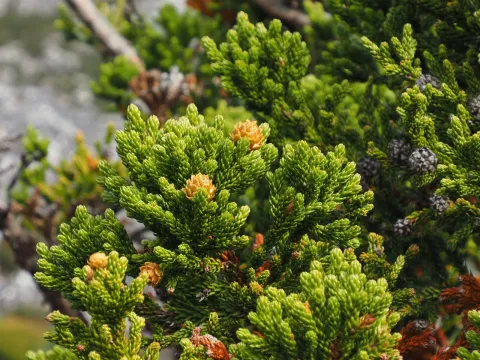
Athrotaxis is a genus of rare evergreen coniferous trees belonging to the Cupressaceae family. In nature, this genus includes only three species, which are endemic to the island of Tasmania and are considered ancient relict plants.
What the section contains


Athrotaxis
This culture is highly demanding regarding growing conditions, preferring a cool and humid maritime climate. In their natural habitat, Athrotaxis trees grow in subalpine regions where annual precipitation is high, and temperature fluctuations are moderate.
Soil preferences for this plant include deep, well-drained, yet consistently moist substrates. It is essential to avoid both prolonged water stagnation and the drying out of the root system, which is fatal for this species at a young age.
Athrotaxis is characterized by a slow growth rate, which is a specific biological feature of many relict plants. In cultivation, the tree can reach significant sizes only after several decades, forming a dense, pyramidal, or broadly conical crown.
In terms of economic use, Athrotaxis has limited value due to its rarity and protected status. Its wood possesses high resistance to decay; however, the plant is currently grown primarily in botanical gardens and arboretums as a prized collector's specimen.
The main threats to Athrotaxis are anthropogenic factors and climate change rather than typical agricultural pests. Due to its narrow distribution range, any forest fires pose a critical danger to the population.
In nursery conditions, young seedlings may be susceptible to fungal root collar diseases if soil aeration is compromised. Prevention involves using sterile substrates and strictly adhering to watering schedules.
Pests such as spider mites or scale insects may inhabit the crown when grown in greenhouse conditions with low air humidity. Regular misting of the crown significantly reduces the risk of such infestations.
Root rots caused by oomycete pathogens can occur due to improper drainage, making a gravel or sand layer in the planting pit essential for successful cultivation.
Competition from faster-growing weeds also presents a threat during the initial stages of seedling life, so the base of the tree must be kept clean without damaging the surface root system.