
Terminalia superba
Terminalia superba Engl. & Diels
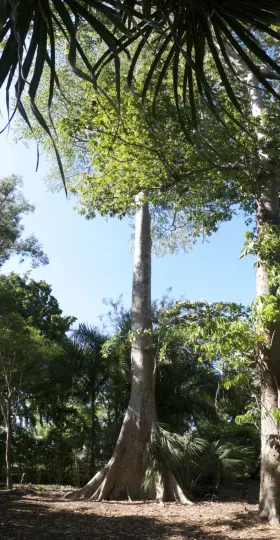
Description
Sowing dates
Terminalia superba is propagated primarily through seeds, which must be collected from mature, healthy mother trees to ensure genetic quality. Seeds are sown in nursery beds with high moisture levels to facilitate germination within a few weeks.
The transplantation of seedlings to the permanent plantation site is scheduled at the onset of the rainy season. This ensures that the young trees have access to sufficient soil moisture to establish their root systems before the onset of dry conditions.
Planting density depends on the specific management objective, typically ranging from 400 to 600 trees per hectare. Spacing is crucial to ensure that each tree has enough space for canopy expansion and root development.
Young plantations require intensive weeding during the first two to three years. Competing vegetation can severely restrict the growth of Terminalia superba, which is a light-demanding pioneer species.
Continuous monitoring of seedling survival is essential. If necessary, selective replanting should be performed shortly after the initial planting to maintain full stocking levels across the designated area.
Growing requirements
Belonging to the Combretaceae family, Terminalia superba is a native species of the tropical rainforests of West and Central Africa. It thrives in high-rainfall regions with a short or absent dry season.
The ideal soil conditions are deep, well-drained, and nutrient-rich alluvial soils. The species is highly sensitive to waterlogging; therefore, areas with poor drainage are unsuitable for successful long-term cultivation.
Climate requirements include a stable temperature range of 20°C to 30°C. Extreme temperature fluctuations and cold spells can cause physiological stress and drastically reduce growth rates.
As a light-demanding species, Terminalia superba requires full sunlight to achieve its maximum growth potential. In the wild, it naturally occupies gaps in the forest canopy, so plantation layouts must prioritize maximum solar exposure.
Soil fertility management, particularly in the early stages, can include the application of balanced fertilizers to stimulate rapid establishment and ensure the tree reaches its peak growth rate as quickly as possible.
Yield
This species is globally recognized for its exceptional growth speed, often reaching harvestable dimensions within 25 to 30 years. It is one of the most productive timber species for tropical plantations.
Average annual yields can reach 15–20 cubic meters per hectare under optimal management. The straight, cylindrical stem structure minimizes waste during logging and primary processing operations.
Thinning operations conducted at the 10 and 15-year marks are crucial for maximizing the diameter of the remaining stems. These thinnings also provide intermediate income through smaller logs used for plywood or construction.
Commercial maturity is determined by the target diameter, usually set by market requirements for veneer or furniture production. Achieving this diameter efficiently is the primary measure of yield success.
Productivity is highly dependent on silvicultural practices, including precise spacing and early-stage fertilization, which ensure that the trees do not compete for resources prematurely.
Main diseases and pests
The primary threats to Terminalia superba plantations are stem-boring insects, which can cause significant damage to the commercial quality of the wood. Integrated pest management strategies are necessary for large-scale operations.
Fungal pathogens such as leaf spots or root rots can occur if the plantation is managed in high-humidity areas with poor ventilation. Maintaining hygiene within the plantation is the best preventative measure.
Wildlife browsing, particularly by rodents on young bark, can kill young saplings or create entry points for secondary infections. Protecting young plants with guards is a common practice in many regions.
- Stem-boring coleopterans.
- Fungal root pathogens.
- Invasive liana encroachment.
- Bark damage by small mammals.
- Nutrient deficiencies in depleted soils.
Regular health checkups within the plantation are mandatory. Early detection of pest infestations allows for targeted control measures, preventing the loss of the entire harvest cycle.
Harvesting
Harvesting is performed using standard felling techniques once the trees have achieved the required commercial diameter. It is best to schedule logging activities during the drier months to facilitate transport.
Immediate post-harvest processing is recommended to prevent wood discoloration or damage by wood-boring insects. The timber is prized for its light weight and workability, making it ideal for high-end furniture.
Kiln drying is strictly recommended for Terminalia superba lumber to ensure structural stability. The wood is known to shrink and warp if not dried correctly to a consistent moisture content.
The harvested logs are utilized for the production of plywood, high-quality furniture, interior joinery, and sometimes musical instruments due to the wood's acoustic properties and uniform texture.
Sustainable harvesting includes reforestation immediately following the clearing of a plot. Preparing the site for the next generation ensures the longevity of the forestry project and economic continuity.