
Amazonian terminalia
Terminalia amazonia (J. F. Gmel.) Exell
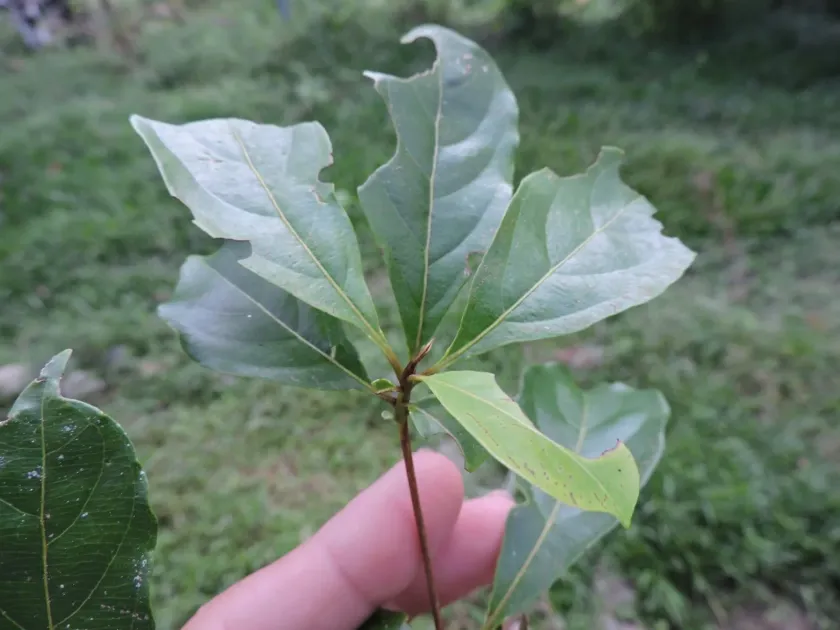
Description
Growing requirements
Amazonian terminalia (Terminalia amazonia) is a prominent tree species belonging to the Combretaceae family. It is recognized for its ability to grow into a large, straight-stemmed tree, making it a highly desirable species for tropical forestry and reforestation projects.
Native to Central and South America, this species is well-adapted to humid tropical environments. Its natural habitat ranges from lowland rainforests to more seasonally dry zones, reflecting the plant's significant ecological adaptability to varying rainfall patterns.
The tree thrives in deep, well-drained soils that offer good aeration. While it can establish itself on diverse soil types, deep alluvial soils typically produce the fastest growth rates. Proper soil preparation is essential to prevent waterlogging, which the species does not tolerate.
The climate requirements for Amazonian terminalia include warm, tropical temperatures throughout the year. It prefers areas with high annual precipitation, though it can demonstrate resilience during shorter dry seasons, provided the soil retains sufficient moisture.
Economically, the species is valued for its high-quality timber, which is robust, resistant to decay, and possesses an attractive grain. This makes it a preferred choice for high-value reforestation, providing both ecological benefits and sustainable wood production.
Main diseases and pests
Fungal pathogens represent the primary threat to Amazonian terminalia, particularly in young, densely planted stands. Maintaining proper spacing during the planting phase is essential to allow for airflow, which significantly reduces the humidity-driven spread of fungal spores.
Insect pests, such as leaf-eating caterpillars or boring beetles, may affect young specimens. Integrated pest management strategies, focusing on early detection and the use of targeted biological controls, are effective in minimizing damage to the foliage and vascular system.
Invasive weeds and vigorous climbing plants can pose a severe challenge to seedling survival. Regular maintenance during the establishment phase, including clearing the area around the base of the trees, is crucial to prevent the trees from being smothered.
Root system health is often compromised by improper water management, particularly in soils with poor permeability. The development of root rot is often a symptom of inadequate drainage rather than a primary attack, necessitating careful site selection.
Despite these threats, Amazonian terminalia is considered a relatively robust species. With rigorous adherence to silvicultural best practices, growers can effectively manage risks and ensure the long-term viability of their forest stands.