
Terminalia neotaliala
Terminalia neotaliala Capuron
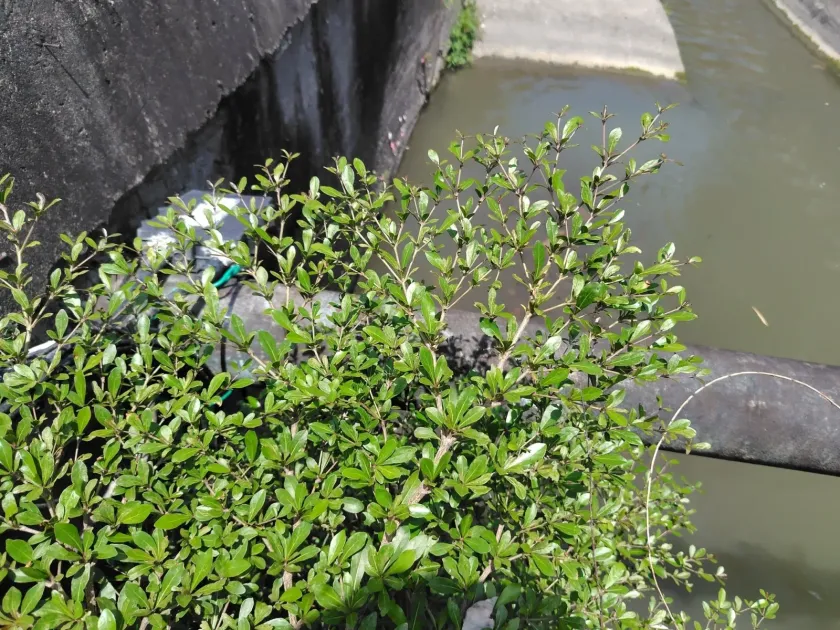
Description
Growing requirements
Terminalia neotaliala is a prominent species within the Combretaceae family, native to the diverse landscapes of Madagascar. This tree is highly valued for its robust growth patterns and the quality of its wood, making it an interesting subject for tropical silviculture.
The tree thrives in tropical environments characterized by high temperatures and consistent rainfall throughout the year. It exhibits a distinct preference for sunny locations, which are essential for the development of its characteristic spreading canopy and healthy biomass accumulation.
Regarding soil requirements, Terminalia neotaliala prefers well-drained, fertile soils that facilitate deep root penetration. It does not tolerate waterlogging, so site selection should prioritize elevated areas or land with naturally effective drainage capabilities to ensure the tree's longevity.
The cultivation process requires attention to spacing, as this tree expands horizontally as it matures. Proper distance between seedlings ensures adequate light and nutrient availability, which are critical for maximizing the economic yield of the wood produced.
Economically, the species is utilized for its strong, durable timber, which is suitable for construction and furniture manufacturing. Beyond its utilitarian value, it serves a decorative role in park and street planting, where its large, symmetrical canopy provides significant shade.
Main diseases and pests
Fungal diseases constitute the primary threat to the health of the trees, especially in climates with prolonged periods of high humidity. Regular inspection is necessary to detect early signs of leaf spot or bark decay that could compromise the wood quality.
Wood-boring insects represent a significant risk to the integrity of the trunk. Management strategies often involve keeping the trees vigorous through adequate nutrition, as healthy individuals are naturally more resistant to pest infestations.
Weed management is vital during the early growth stages of Terminalia neotaliala. If left unchecked, competing weeds can deprive the saplings of essential water and sunlight, significantly stunting their development and increasing vulnerability to opportunistic pathogens.
Poor ventilation within dense plantations can foster the rapid spread of diseases. Implementing a strategic pruning schedule improves airflow and light penetration, effectively creating an environment that is less hospitable to potential pests and fungal spores.
Sanitation practices, such as the immediate removal and destruction of infected wood, are crucial for maintaining the health of the entire plantation. By preventing the spread of localized outbreaks, managers can ensure higher overall productivity and wood grade.