
Madagascar almond
Terminalia mantaly H. Perrier
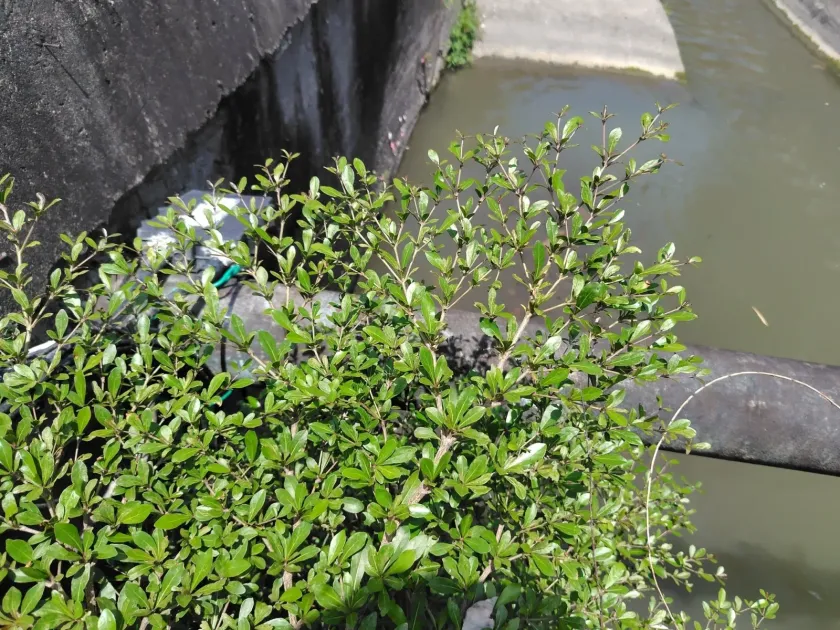
Description
Growing requirements
The Madagascar almond (Terminalia mantaly) is a distinctive member of the Combretaceae family. Known for its elegant tiered branches, this species is native to Madagascar and is widely appreciated as a landscape tree in tropical regions.
The plant thrives in warm, humid climates and is highly intolerant to frost. Optimal growth occurs in temperatures consistently above 20 degrees Celsius, making it a staple of tropical garden design.
Full sun exposure is crucial for the development of its signature layered canopy. In partial shade, the tree tends to lose its geometric structural integrity, leading to an irregular and sparse appearance.
Well-drained soil is a non-negotiable requirement for this species. It performs best in fertile loams where root aeration is sufficient, preventing the physiological stress caused by waterlogged soils.
Regular maintenance involves deep watering during the establishment phase. Once mature, the tree exhibits moderate drought tolerance, although supplementary irrigation during prolonged dry spells enhances foliage health and growth rates.
Main diseases and pests
Scale insects are among the most common pests affecting Terminalia mantaly. They cluster on the underside of leaves and stems, extracting sap and leaving behind honeydew that fosters sooty mold growth.
Fungal leaf spot diseases can become prevalent during rainy seasons with low air circulation. These infections manifest as irregular dark blotches, which can significantly reduce the tree's ornamental value.
Root rot caused by Phytophthora species is a lethal threat in poorly drained soils. Symptoms include yellowing of the foliage and sudden wilting of branch tips, often requiring immediate soil amendment.
Aphid infestations on tender new flushes of growth can lead to leaf curling and distortion. Integrated pest management, including the use of horticultural oils, is effective in controlling these outbreaks.
Nutrient deficiencies, particularly of magnesium and iron, manifest as interveinal chlorosis. Regular application of balanced fertilizers containing essential micronutrients is vital for sustaining the deep green color of the leaves.