
Terminalia latipes
Terminalia latipes Benth.
Description
Growing requirements
Terminalia latipes is a tropical tree species belonging to the Combretaceae family. Native to Australia, it is primarily found in the northern tropical regions, including the coastal areas of Queensland and the Northern Territory.
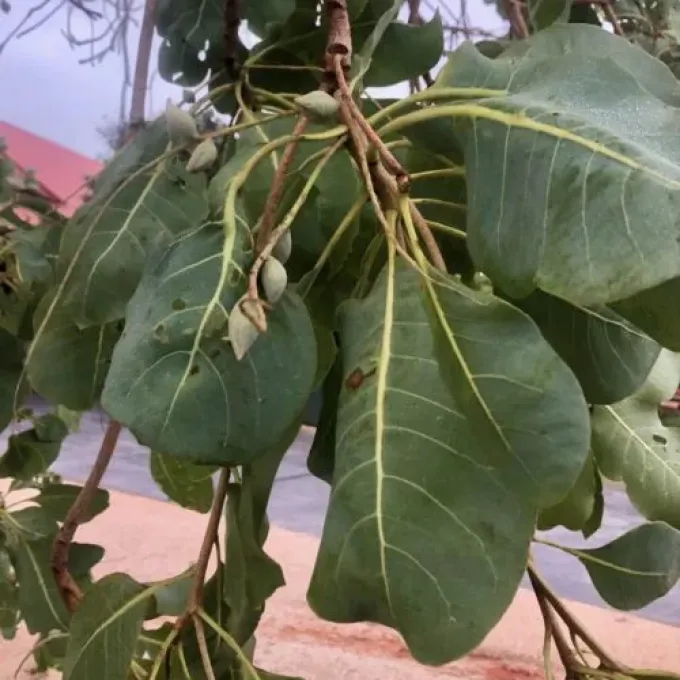
Botanically, the species is classified as a hardy woody plant capable of thriving in monsoon climates. Its leaves are thick and coriaceous, which helps the tree retain water during intense dry spells common in its natural habitat.
The tree requires well-draining soil to thrive, as it is sensitive to waterlogged conditions that can lead to root rot. Sandy loams that allow for deep root penetration are considered ideal for establishing healthy plantations.
Regarding climate, Terminalia latipes needs consistent warmth throughout the year. It does not tolerate frost and prefers areas with distinct wet and dry seasons, typical of its native Australian distribution range.
In terms of agricultural and forestry utility, this tree is valued for its robust timber properties. It also serves as an important component in ecological restoration projects, providing habitat and soil stabilization in sensitive tropical ecosystems.
Main diseases and pests
The primary threats to Terminalia latipes include fungal pathogens that exploit high humidity during the wet season. These infections often manifest as leaf spots, which, if left unmanaged, can stress the overall health of the tree.
Insect pests, specifically wood-boring beetles and termites, represent a significant concern for timber quality. Implementing integrated pest management strategies is crucial for maintaining the commercial value of the wood.
Young plants are particularly vulnerable to leaf-eating larvae, which can defoliate seedlings if not monitored. Protective measures such as regular scouting and barrier methods are often employed in nursery stages.
Abiotic stress, such as extreme heat coupled with prolonged drought, can also weaken the tree's natural defenses, making it more susceptible to secondary infections. Adequate soil management is vital to mitigate these risks.
Overall, maintaining optimal tree density and promoting species diversity in the surrounding area can help curb the spread of pests and diseases. Preventive maintenance remains the most effective strategy for ensuring a long and healthy lifespan.