
Tecoma fulva
Tecoma fulva (Cav.) G. Don
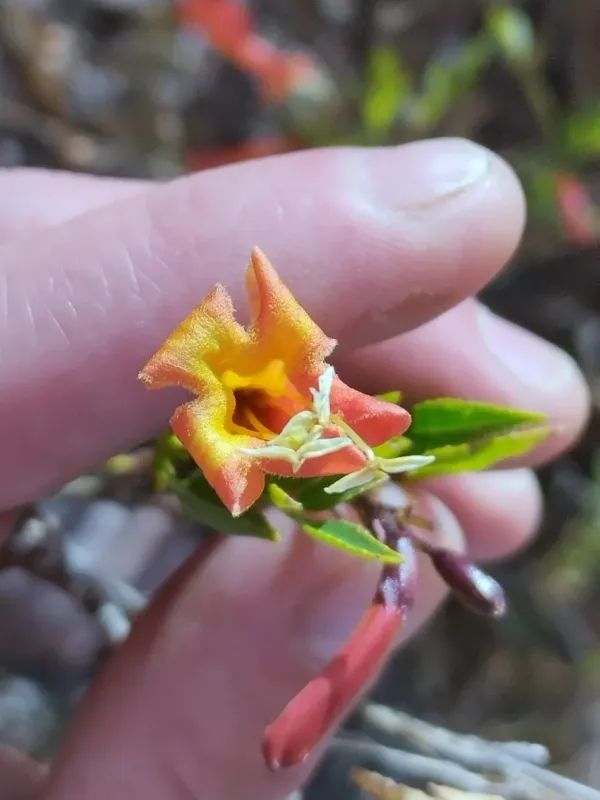
Description
Growing requirements
Tecoma fulva is an ornamental shrub belonging to the Bignoniaceae family, native to the rugged mountainous regions of the Andes in South America, particularly Chile and Peru.
This species thrives in well-drained soils that prevent waterlogging, preferring a texture ranging from sandy loam to rocky substrates typical of its native environment.
It requires a high degree of solar exposure to bloom effectively, as the shrub's natural adaptation to high-altitude sunlight makes it sensitive to low-light conditions.
Regarding climate, the plant exhibits moderate tolerance to cold, yet it performs best in regions with mild winters, often requiring protection or indoor cultivation in colder zones.
The ornamental value of Tecoma fulva lies in its tubular flowers and foliage, making it a popular choice for xeriscaping and decorative hedges in dry or Mediterranean-like climates.
Main diseases and pests
The primary pests affecting Tecoma fulva include aphids and spider mites, which frequently target the plant during periods of high heat or low humidity.
Fungal pathogens such as root rot and powdery mildew can occur if the soil remains excessively moist or if there is poor air circulation around the shrub.
Effective management involves maintaining a balanced watering schedule and ensuring that the plant is spaced correctly to allow for adequate airflow and leaf drying.
Integrated pest management strategies, including the use of neem oil or targeted acaricides, can help mitigate damage from common arthropod infestations.
Regular pruning is not only beneficial for shaping the plant but also essential for removing dead wood where pests and spores often overwinter, ensuring a healthier growth cycle.