
Northern catalpa
Catalpa speciosa
Description
Sowing dates
Northern catalpa is typically propagated from seeds, which should be collected in late autumn once the long, bean-like seed pods have turned brown and dry.
Seed germination is often enhanced by a period of cold stratification, keeping the seeds at low temperatures for several weeks before spring sowing.
The seeds are sown in well-prepared nursery beds in early spring, with a planting depth of approximately 1.5 to 2 centimeters to ensure optimal moisture contact.
Vegetative propagation via softwood cuttings is also practiced during the summer months, utilizing mist chambers to maintain high humidity levels.
Proper spacing is crucial in the nursery stage, with at least 30 centimeters between rows to allow for adequate airflow and seedling development before transplanting.
Growing requirements
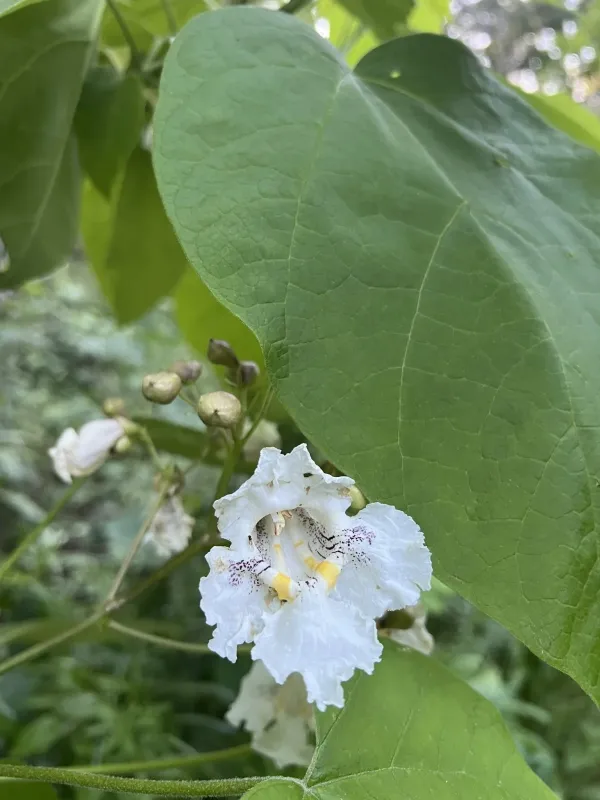
The Northern catalpa belongs to the Bignoniaceae family and is recognized for its large, heart-shaped leaves and showy, trumpet-shaped white flowers.
This species thrives in deep, moist, fertile soils, showing a preference for bottomland areas where soil nutrients are naturally replenished by water movement.
Although it exhibits a broad adaptability to various soil types, the tree grows best in full sun, which is necessary for blooming and structural integrity.
Climate requirements include a temperate environment; it is notably more cold-hardy than other species in its genus, making it suitable for northern regions.
Maintenance involves regular irrigation during the establishment phase, as young trees are sensitive to severe drought conditions that can stunt their growth.
Yield
While primarily valued for its ornamental beauty and rapid growth, the Northern catalpa is also utilized for its durable, rot-resistant timber in specific forestry applications.
The wood is lightweight but strong, historically used for fence posts and railway ties, showcasing its long-term economic utility beyond garden aesthetics.
In managed plantations, the annual biomass increment is quite high compared to other hardwood species, provided the site conditions meet its specific needs.
Sustainable harvesting of timber typically occurs on a cycle that allows the tree to reach a mature diameter suitable for woodworking or agricultural infrastructure.
The potential for carbon sequestration is another factor, making this fast-growing species an interesting candidate for agroforestry and reforestation projects.
Main diseases and pests
Catalpa sphinx moth larvae are the most significant pest, capable of defoliating entire trees if populations are not monitored and managed appropriately.
Verticillium wilt is a serious fungal disease that affects the vascular system of the tree, often leading to branch dieback and overall decline in vigor.
Leaf spot diseases, caused by various fungi, may occur during seasons with prolonged wet weather, impacting the tree's overall appearance and energy reserves.
Environmental stress, particularly soil compaction or prolonged flooding, weakens the root system, making the tree more susceptible to secondary pathogens.
Integrated pest management strategies should focus on monitoring for egg masses of the sphinx moth and ensuring the tree is planted in well-drained, fertile soil.