
Japanese Catalpa
Catalpa ovata
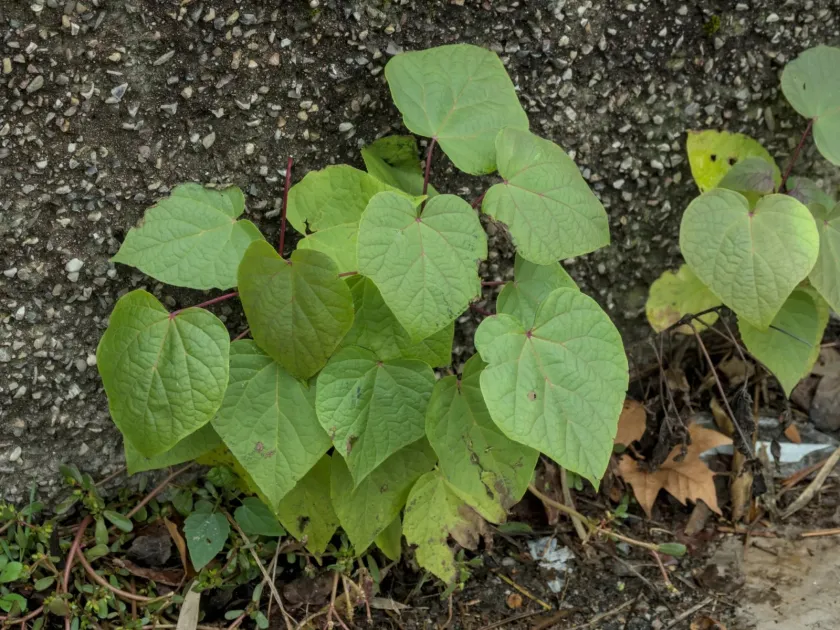
Description
Sowing dates
Propagation of Catalpa ovata is typically achieved through seeds or stem cuttings. Seeds should be stratified for one to two months before sowing to ensure a uniform and high germination rate.
When sowing in open ground, it is essential to choose a site with well-warmed, fertile soil. Seeds are usually planted at a shallow depth of approximately 1-2 cm, followed by mulching to maintain soil moisture during the germination process.
Stem cuttings are best collected during the summer, selecting semi-hardwood shoots. For successful rooting, cuttings require a high-humidity environment and a stable temperature to promote root development.
Young seedlings require protection from intense direct sunlight during the initial stage of growth. Consistent watering during the first growing season is crucial for the establishment of a healthy root system.
Transplanting into the permanent location should be scheduled for the spring season. This timing allows the tree to adapt to its new environment before the heat of summer or the arrival of winter frosts.
Growing requirements
Japanese Catalpa belongs to the Bignoniaceae family and is native to China. It is highly valued in horticulture for its large, attractive leaves and panicles of fragrant, bell-shaped yellow-white flowers.
This tree thrives in full sun but requires protection from strong winds that can damage its large foliage. It prefers deep, nutrient-rich, and well-drained soils to achieve its full potential size and beauty.
The culture is sensitive to soil drainage issues, so avoiding heavy clay soils that retain excessive water is important. A neutral or slightly acidic pH range is considered ideal for optimal growth.
Regular maintenance includes deep watering during dry spells and annual fertilizing with a balanced NPK ratio. Pruning should be done in late winter or early spring to shape the crown and remove dead wood.
While mature trees are relatively hardy, young specimens benefit significantly from winter protection. Applying mulch around the base and wrapping the trunk helps prevent damage in colder climates.
Main diseases and pests
Pests such as aphids and scale insects are the most common threats to this species. Regular monitoring during the growing season allows for early intervention with suitable horticultural oils or insecticides.
Verticillium wilt is a serious vascular disease that can affect Catalpa ovata. Prevention is primarily achieved by maintaining optimal soil health and avoiding injury to the roots and lower trunk.
Powdery mildew may occur during periods of high humidity, causing a white fungal coating on leaves. Ensuring good airflow within the canopy through proper spacing and pruning helps mitigate this issue.
Root rot caused by poor soil drainage can be fatal to the tree. Ensuring the planting site has excellent drainage is a critical step in preventing long-term fungal issues in the root zone.
Maintaining a clean garden environment by removing fallen leaves and pruning diseased branches significantly reduces the risk of pest and disease outbreaks throughout the year.