
Antillean catalpa
Catalpa longissima
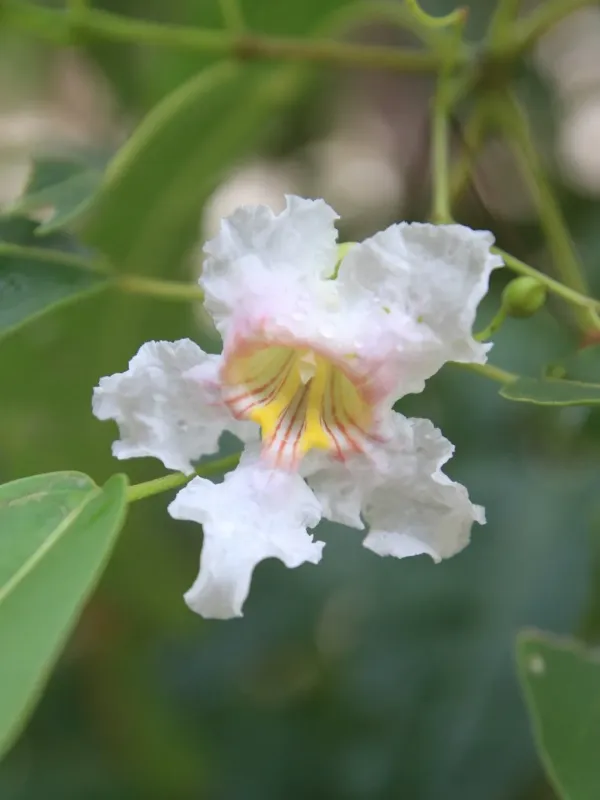
Description
Growing requirements
The Antillean catalpa (Catalpa longissima) is a prominent species in the Bignoniaceae family, native to the Caribbean, particularly found in Haiti and Jamaica. It is a tree known for its rapid vertical growth and high adaptability to tropical ecosystems.
Regarding climate, this species requires consistent warmth and protection from freezing temperatures. It thrives in humid tropical zones where rainfall is regular, but it demonstrates remarkable resilience once it establishes a deep and wide-reaching root system.
The soil requirements are flexible, provided the drainage is excellent. While it prefers fertile, deep, and moist soils, it can successfully grow in varied substrates, including limestone-based soils which are common in its natural Caribbean habitat.
Agronomic practices for this species focus on early structural pruning. By maintaining a single, straight leader during the first years, growers can ensure that the tree develops into a high-quality timber specimen suitable for industrial harvesting.
Sunlight exposure is crucial for the development of its dense crown and straight trunk. In dense forest settings, the tree tends to reach significant heights quickly, which is a desirable trait for sustainable forest management and agroforestry projects.
Harvesting
The Antillean catalpa is most valued for its exceptionally durable wood, often referred to as Haitian oak. It possesses a fine grain and a natural resistance to decay, moisture, and termite attacks, making it a preferred choice for outdoor construction.
The harvesting process involves careful assessment of the tree's growth stage to maximize the yield of high-quality timber. Mature trees provide a significant volume of wood that is highly stable, resistant to warping, and easy to finish with various oils or varnishes.
In addition to its timber value, the tree plays a vital role in local ecosystems. Its flowering stage supports pollinator populations, which contributes to the overall health of the surrounding agricultural land and local biodiversity.
Sustainability is key when harvesting Catalpa longissima. Implementing selective logging practices ensures the regeneration of the population and maintains the ecological balance of the plantation or forest area over time.
Processing the lumber requires standard seasoning techniques to ensure long-term stability. Given its physical strength, the wood is utilized for furniture, flooring, and structural components that require long-lasting, reliable materials in tropical climates.