
Hybrid Catalpa
Catalpa erubescens
Description
Sowing dates
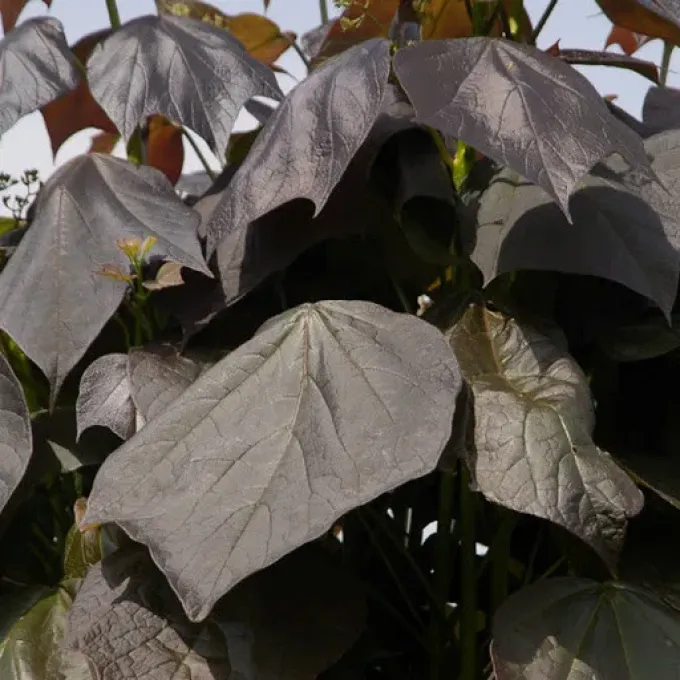
Catalpa erubescens is a fast-growing ornamental hybrid belonging to the Bignoniaceae family. It is prized for its large, heart-shaped leaves and attractive blossoms that appear in late spring or early summer.
Seed propagation is a common practice for this species, typically performed in the spring. Seeds should be sown in a well-draining, nutrient-rich potting medium under greenhouse conditions for the best results.
For optimal germination, maintaining a constant temperature of about 20-25 degrees Celsius is recommended. Proper moisture management during the early stages of development is crucial for seedling survival.
Vegetative propagation via softwood cuttings is also highly effective. Cuttings are usually taken during the mid-summer period and treated with rooting hormones to ensure successful establishment.
Young trees require protection from harsh weather conditions during their first season. Regular inspection for pests and diseases at the nursery stage helps ensure that only healthy specimens are planted outdoors.
Growing requirements
This tree flourishes in full sun to partial shade, though it performs best when provided with at least six hours of direct sunlight daily. Protection from strong winds is essential to prevent leaf damage and branch breakage.
The ideal soil for Catalpa erubescens is deep, fertile, and well-drained. It adapts well to various soil types, ranging from sandy loams to heavier clays, provided that drainage is adequate.
While the tree is relatively tolerant of environmental stress, it benefits significantly from regular irrigation, particularly during prolonged dry spells. Mulching around the base helps retain soil moisture.
Maintenance pruning should be carried out in early spring to shape the canopy and remove dead or diseased wood. This practice promotes vigorous growth and enhances the natural form of the tree.
Due to its relatively rapid growth rate, fertilizing with a balanced slow-release fertilizer in early spring can provide the necessary nutrients for healthy leaf production and overall vitality.
Main diseases and pests
Catalpa trees can be susceptible to verticillium wilt, a soil-borne fungal disease that affects the tree's vascular system. Symptoms include leaf chlorosis and sudden wilting of branches.
Pests such as aphids and scale insects may occasionally infest the foliage and young twigs. Integrated pest management, including natural predators and targeted insecticide applications, is generally effective.
Root rot is a common issue when the tree is planted in heavy, waterlogged soils. Ensuring good drainage during the initial site selection is the primary defense against this condition.
Winter damage, particularly frost cracks on the trunk, can weaken the tree and expose it to secondary infections. Wrapping the trunks of young specimens in winter provides necessary protection.
Maintaining high horticultural standards, such as cleaning up leaf litter and avoiding over-watering, minimizes the risk of pathogen build-up and promotes overall tree resilience.