
Southern catalpa
Catalpa bignonioides Walter
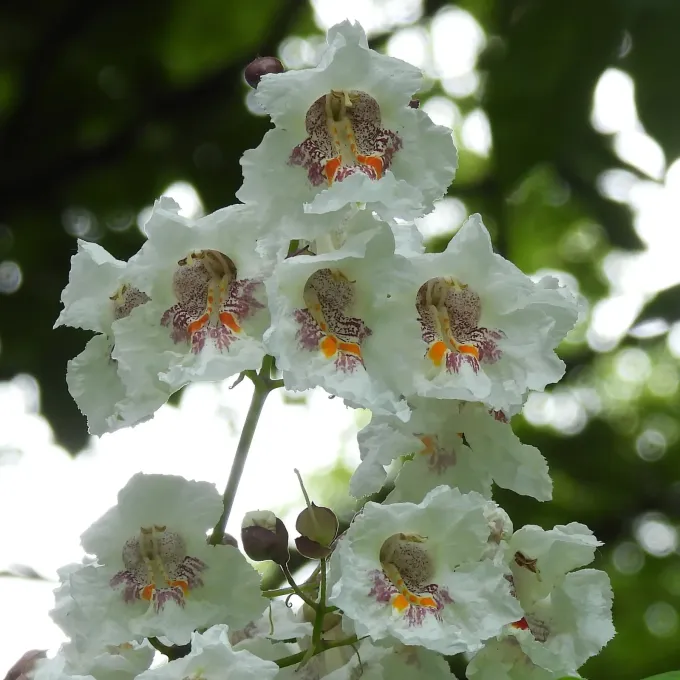
Description
Sowing dates
The propagation of the Southern catalpa through seeds is performed in the spring, following a stratification period of approximately two months at low temperatures to ensure proper germination.
Seeds should be sown in nutrient-rich, well-draining soil in controlled environments such as greenhouses to protect the delicate young seedlings from temperature fluctuations.
Transplanting to a permanent outdoor location should only occur once all danger of frost has passed, as the young growth is highly susceptible to chilling injury in its early years.
Vegetative propagation via green cuttings is a common practice, requiring high humidity levels and the use of rooting hormones to ensure successful development of the root system.
Maintaining a consistent growing medium temperature is critical during the initial stages of propagation to stimulate robust root growth before the plants are moved to the field.
Growing requirements
Catalpa bignonioides, a member of the Bignoniaceae family, originates from the southeastern United States and thrives in moist, fertile soils typically found in river valleys.
This species demands full sun exposure to flourish and requires protection from strong winds that can shred its large, heart-shaped leaves, significantly reducing its aesthetic value.
The soil should be well-drained but capable of retaining moisture, as the tree is sensitive to prolonged periods of drought which can impede its development and overall health.
Proper agronomic management involves seasonal fertilization, which supports rapid growth and strengthens the tree against environmental stressors throughout the growing season.
Regular pruning is recommended not only to maintain a desired canopy shape but also to remove dead or diseased wood that may harbor pathogens over the winter months.
Main diseases and pests
The Southern catalpa is prone to specific pests, with the catalpa sphinx caterpillar being a notable example that can cause rapid defoliation if populations are left unchecked.
Fungal diseases such as Verticillium wilt represent a major challenge, as they affect the vascular system and often lead to the gradual decline and death of branches.
Powdery mildew is a prevalent issue in humid climates, especially when trees are planted too closely together, preventing the airflow needed to keep foliage dry.
Integrated pest management strategies should be employed, focusing on early detection and the use of appropriate systemic fungicides or insecticides when damage thresholds are reached.
Maintaining tree vigor through proper irrigation and balanced fertilization is the most effective way to improve natural resistance against common environmental pathogens and pests.