
Catalpa bungei
Catalpa bungei C. A. Mey.
Description
Growing requirements
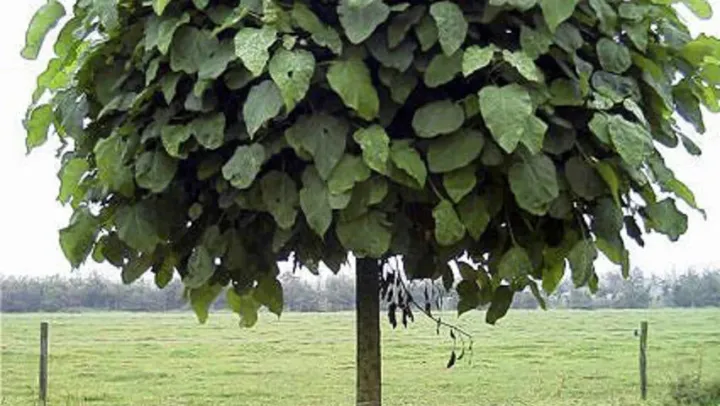
Catalpa bungei, commonly known as the Bunge catalpa, belongs to the Bignoniaceae family. Native to China, this deciduous tree is highly regarded in horticulture for its dense, rounded canopy and elegant appearance.
To thrive, this species requires a location with full sun exposure and protection from strong, desiccating winds. It performs best in deep, fertile, and well-draining loamy soils with a pH ranging from neutral to slightly alkaline.
The climate adaptation of this tree suggests it prefers temperate conditions with sufficient summer heat for branch maturation. In colder hardiness zones, providing winter protection for young trees is essential to prevent frost damage to the trunk.
Agricultural management includes a consistent irrigation schedule, especially during the establishment phase and periods of summer drought. Fertilization should be focused on the spring season to support the flush of new growth.
In landscape design, Catalpa bungei is primarily used as an ornamental specimen in parks and private gardens. Its ability to create dense shade and its structural beauty make it an excellent choice for urban greening projects.
Main diseases and pests
Pest management for this tree includes monitoring for scale insects and aphids, which frequently infest the foliage. Targeted insecticide applications are effective when performed during the early stages of the infestation.
Verticillium wilt is a significant threat to the tree's vascular system. Preventing soil compaction and ensuring optimal drainage are critical cultural practices to minimize the risk of this soil-borne fungal pathogen.
Powdery mildew can occur in humid and poorly ventilated environments. Maintaining proper spacing and pruning the crown to encourage airflow can significantly reduce the incidence of fungal spores settling on leaves.
Bacterial leaf spot may affect the aesthetic quality of the foliage during wet springs. Removing and destroying fallen infected leaves is a recommended sanitation step to lower the pathogen load for the following season.
Regular maintenance, including the removal of deadwood and the treatment of physical wounds, preserves the tree's health. Proactive care ensures that the tree remains vigorous and resistant to potential environmental stressors.