
Many-veined hornbeam
Carpinus polyneura
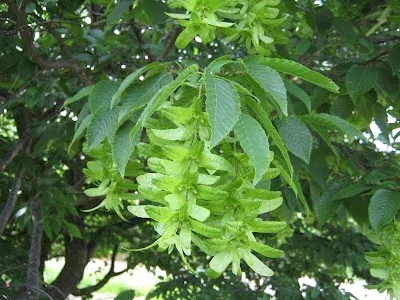
Description
Sowing dates
The many-veined hornbeam (Carpinus polyneura) is propagated primarily through seeds or vegetative cuttings. Seeds possess deep dormancy and typically require a cold stratification period of several months to achieve successful germination.
In nursery environments, sowing is often performed in the autumn to allow for natural stratification in the soil. If spring sowing is necessary, seeds must be artificially pre-treated in refrigerated sand containers.
The seeding rate must be adjusted based on seed viability tests. Seeds are sown into well-prepared seedbeds at a depth of about 2-3 cm, ensuring they are covered with a fine layer of substrate to maintain moisture levels.
Vegetative propagation via softwood cuttings is also practiced, particularly for specialized propagation programs. Success with this method relies heavily on maintaining a high-humidity environment and stable ambient temperatures during the rooting process.
After the first year of growth, seedlings may need to be thinned out or transplanted into larger containers to prevent competition for light and nutrients, which is crucial for structural development.
Growing requirements
Carpinus polyneura, a member of the Betulaceae family, is native to the temperate forests of China. It flourishes in areas characterized by mild climates, though it can tolerate a range of environmental conditions once established.
The species has specific soil preferences, requiring well-drained, fertile substrates. It thrives best in loamy soils that possess good aeration, as the root system is sensitive to waterlogged conditions.
Regarding light, this species is relatively shade-tolerant during its juvenile stages but requires partial to full sun exposure as it matures to maintain its distinctive canopy structure and healthy growth.
Moisture management is key to the successful cultivation of the many-veined hornbeam. Regular irrigation is necessary during the establishment phase, especially during periods of extreme summer heat or low precipitation.
Wind protection is an important cultural consideration, as young specimens may experience dieback if subjected to strong, dry winds or severe winter exposure before their bark has thickened sufficiently.
Main diseases and pests
Carpinus polyneura is generally considered a robust species; however, it remains susceptible to various fungal pathogens when managed in improper humidity or stagnant airflow conditions.
Leaf spot diseases can occur during humid growing seasons, leading to premature defoliation. These infections are typically managed through proper canopy thinning and the application of fungicides where necessary.
Insect pests, including various caterpillars and aphids, may occasionally infest the foliage and tender new growth. Monitoring for these pests is essential to prevent significant aesthetic and physiological damage.
Soil-borne pests such as white grubs can cause damage to the root system of younger trees in nursery settings, requiring diligent soil inspections and integrated pest management practices.
Maintaining tree vigor through balanced fertilization and proper site selection significantly reduces the overall risk of pest and disease outbreaks throughout the plant's life cycle.